Projects
Passive Temperature Compensation Device: Senior Design (UC Davis), Sandia Labs
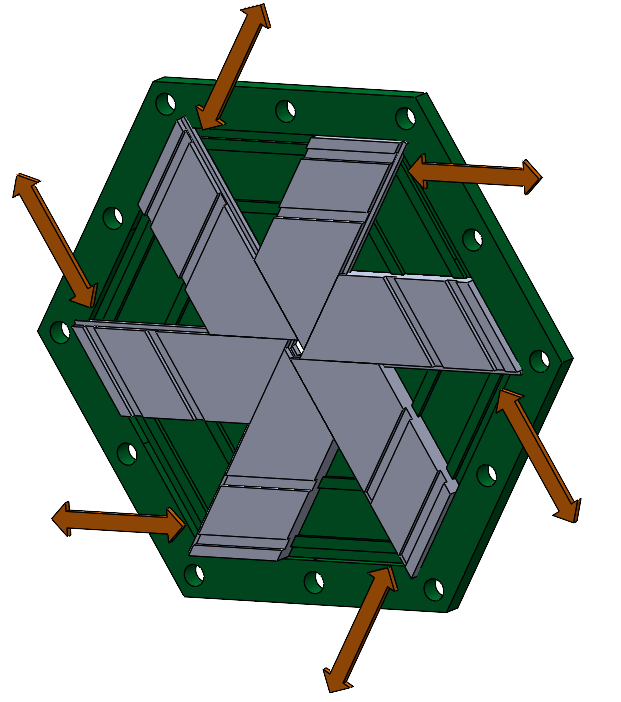
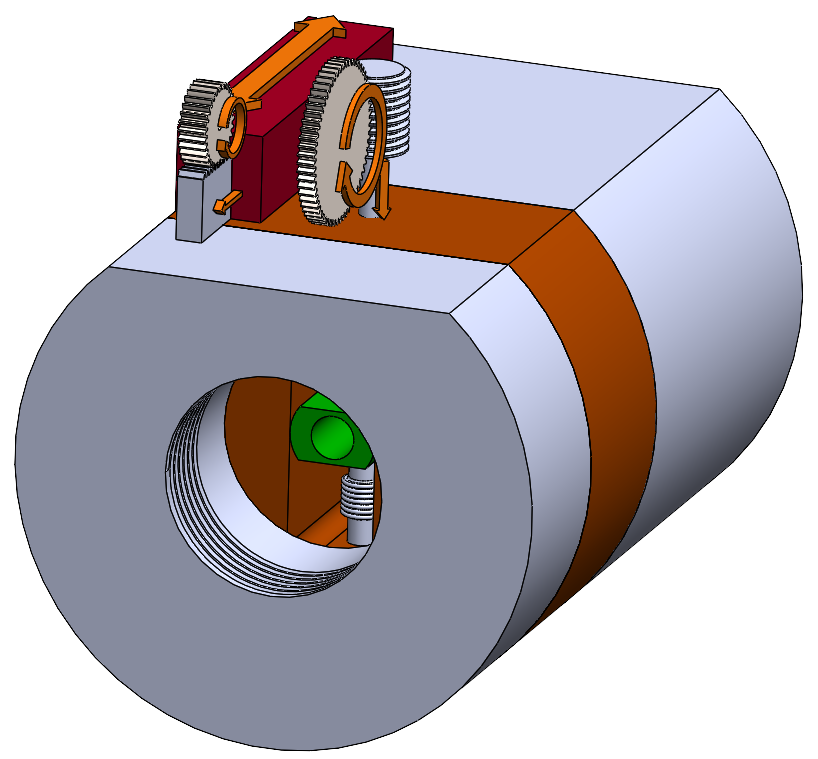
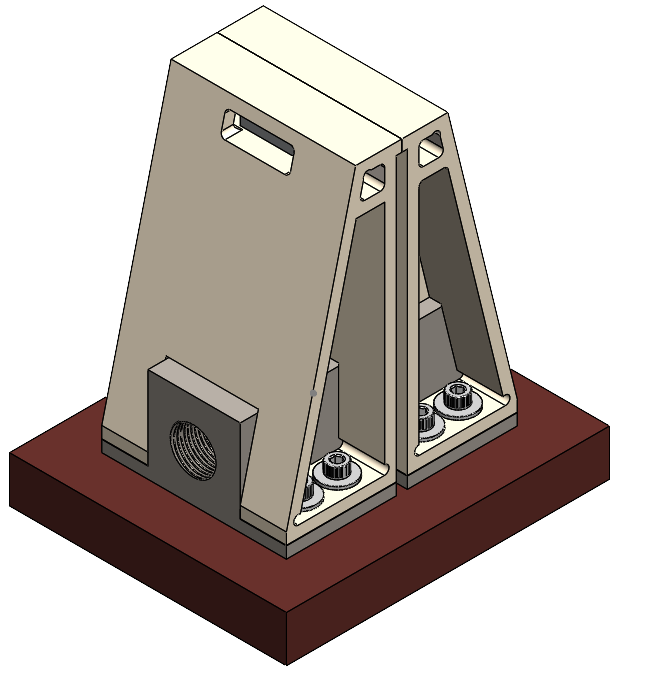
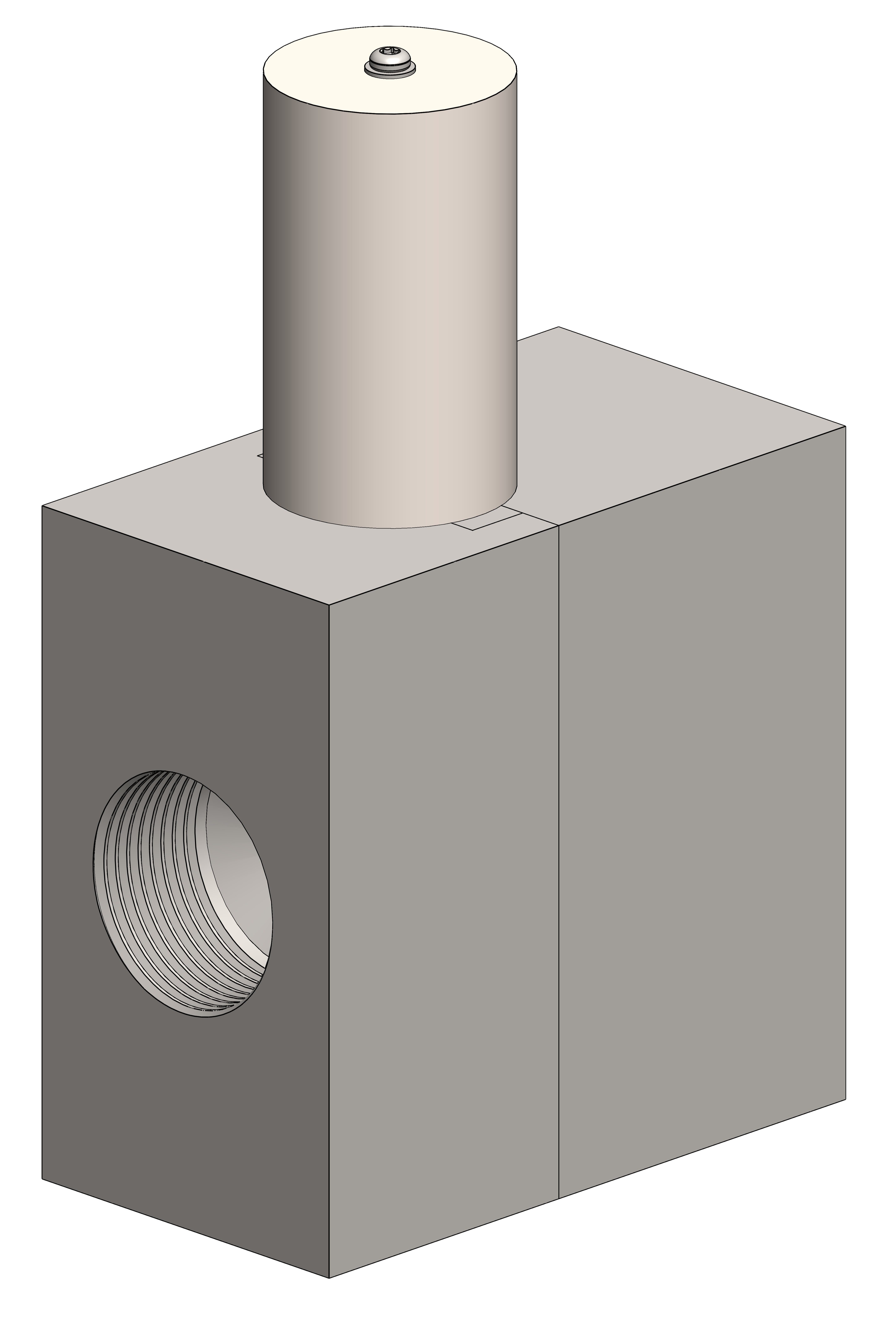
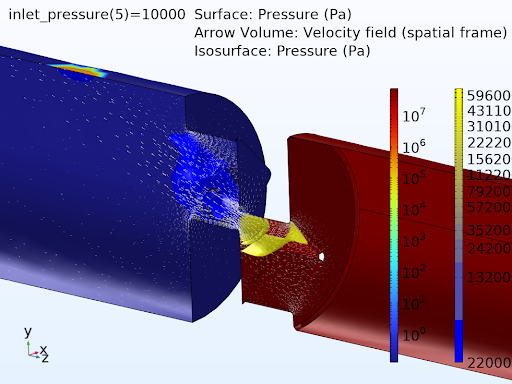
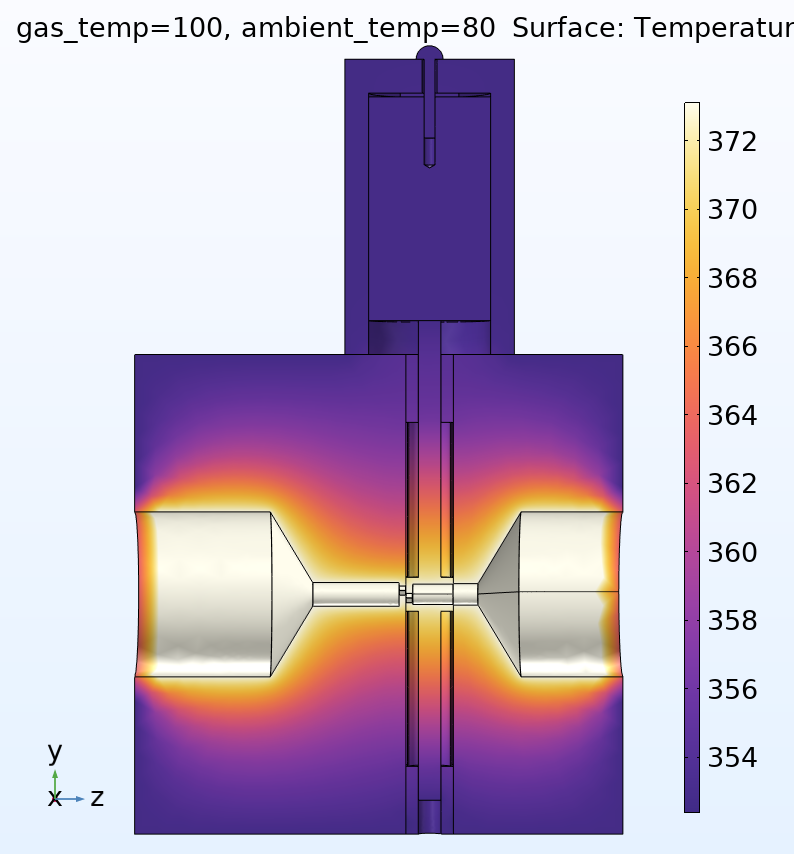
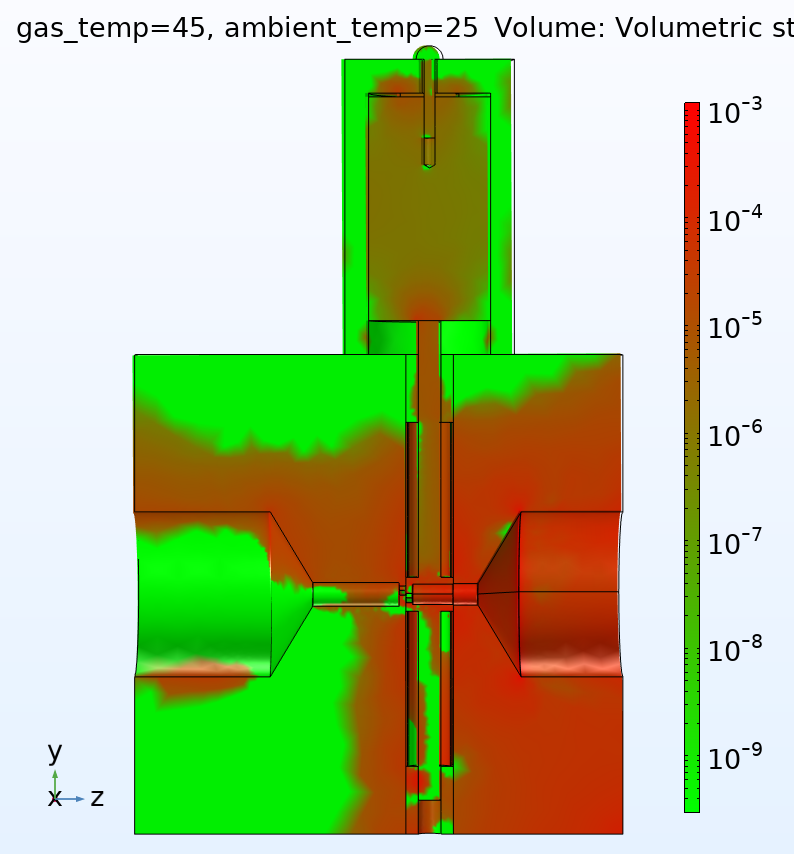
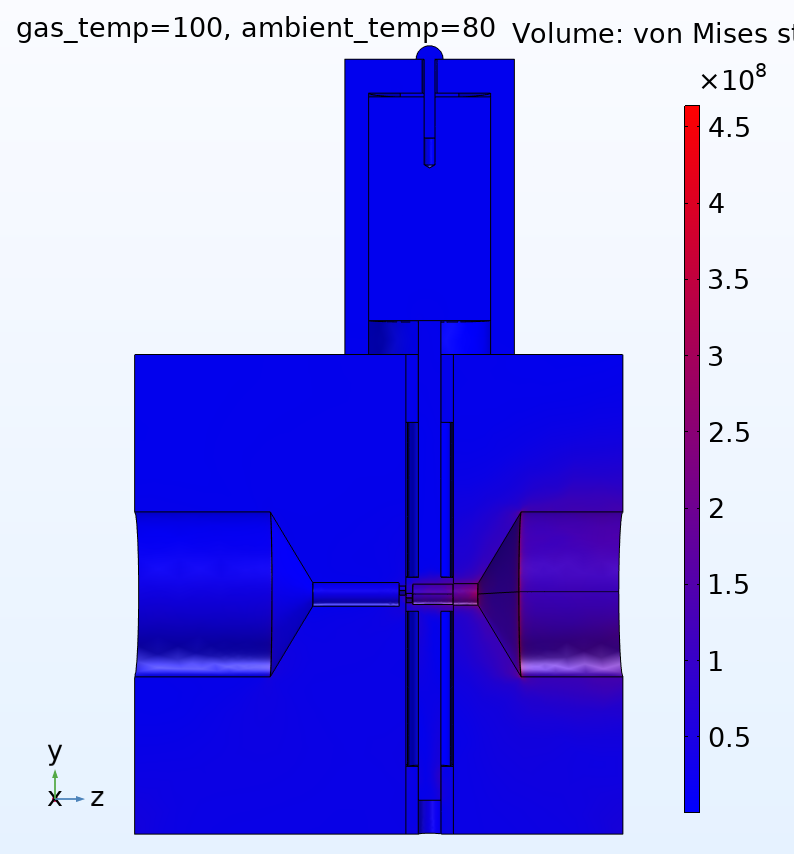
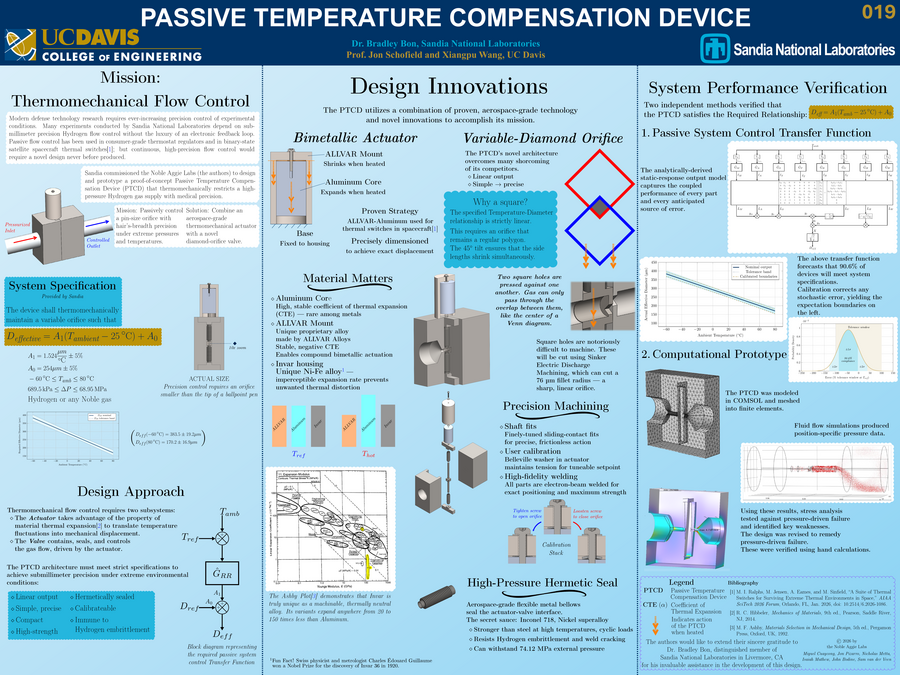
I was part of a senior design team that was tasked to conduct a trade study for Sandia National Laboratories. We investigated thermomechanical solutions to regulate fluid flow. We produced a computational prototype for a Passive Temperature Compensation Device (PTCD): wherein a bimetallic actuator drives a diamond-shaped valve orifice. My contributions centered on the computational side — building and running the CFD, and multi-body simulations used to verify the design — and on early architecture work, including the hexagonal-diaphragm orifice concept which was one of the team's first design iterations. The members of the team are: Sam van der Veen, Jon Pizarro, Nicholas Metta, Isaiah Mathew, John Bodine, and myself.
Design Evolution
Computational Verification
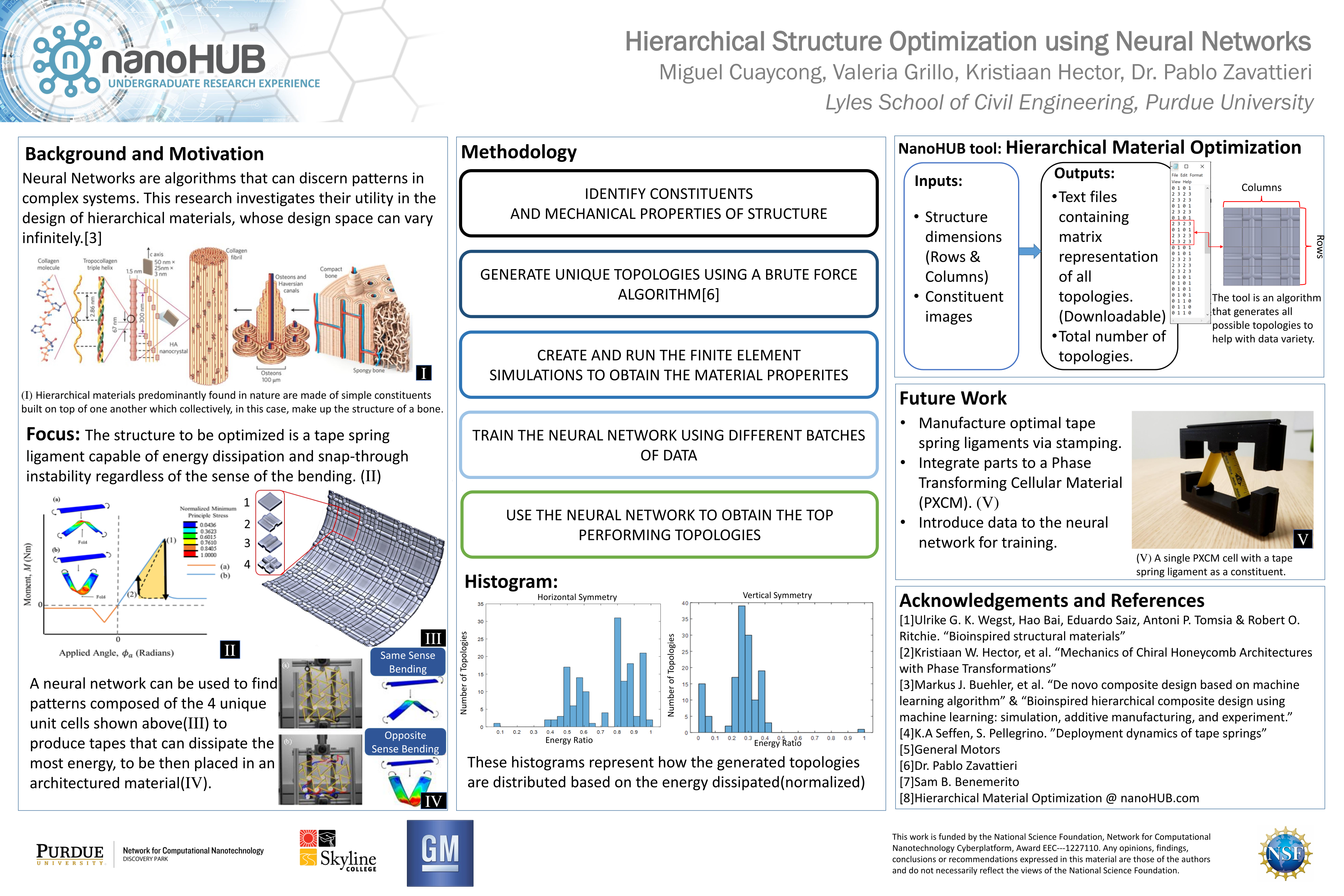
Poster
nanoHUB: Topology Enumeration for Phase-Transforming Cellular Materials
This tool exhaustively enumerates every compatible arrangement on a grid based on a set of compatibility rules. Then, the enumerated data is handed back in a text file, along with a rendering of any arrangement you want to look at. The idea is that the data can be used to train a neural network that will eventually predict good topologies directly. The tool is published on nanoHUB and runs in a browser, so a researcher can use it without installing anything. This tool was developed by Sam Benemerito and myself.
The Material
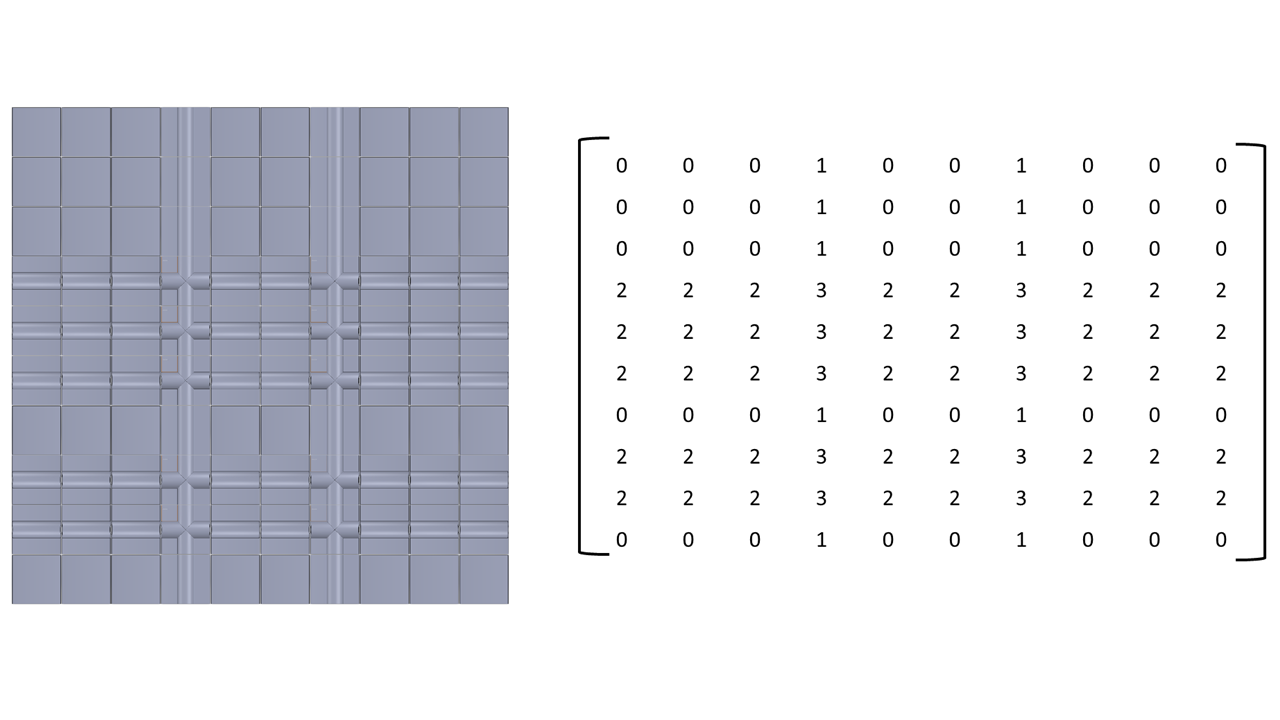
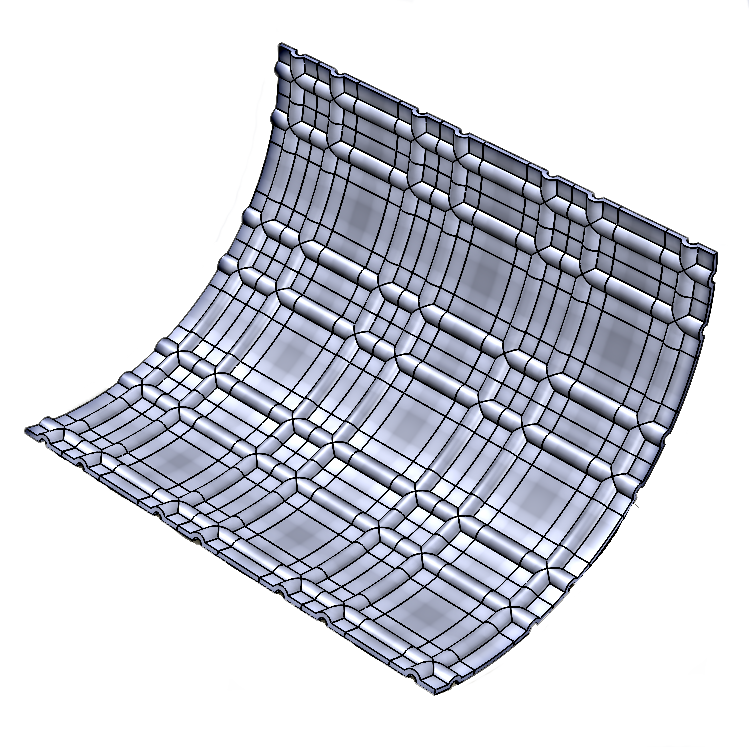
A phase-transforming cellular material (PXCM) gets its properties from geometry rather than composition. In this case, a sheet is tiled with small curved cells that snap between stable shapes, and the arrangement of those elements affects properties such as mechanical energy dissipation. Four distinct elements, but they only fit together certain ways.


Representing a Topology
How It Works
Three separate runtimes cooperate, with no single entry point: a shell layer that tells the nanoHUB platform how to start a session, a Python notebook which is the interface, and a compiled MATLAB core which contains the algorithm that generates the training data.
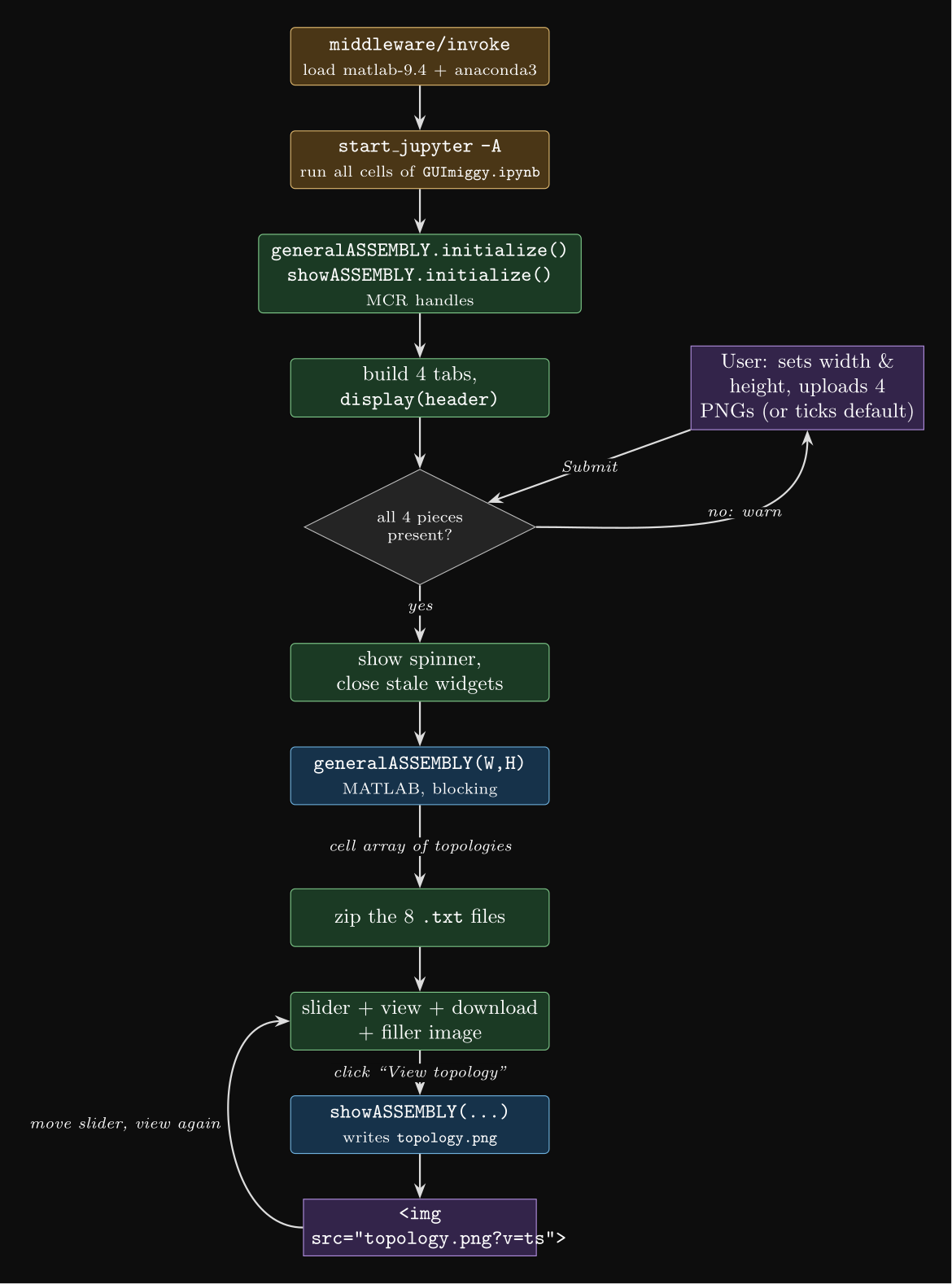
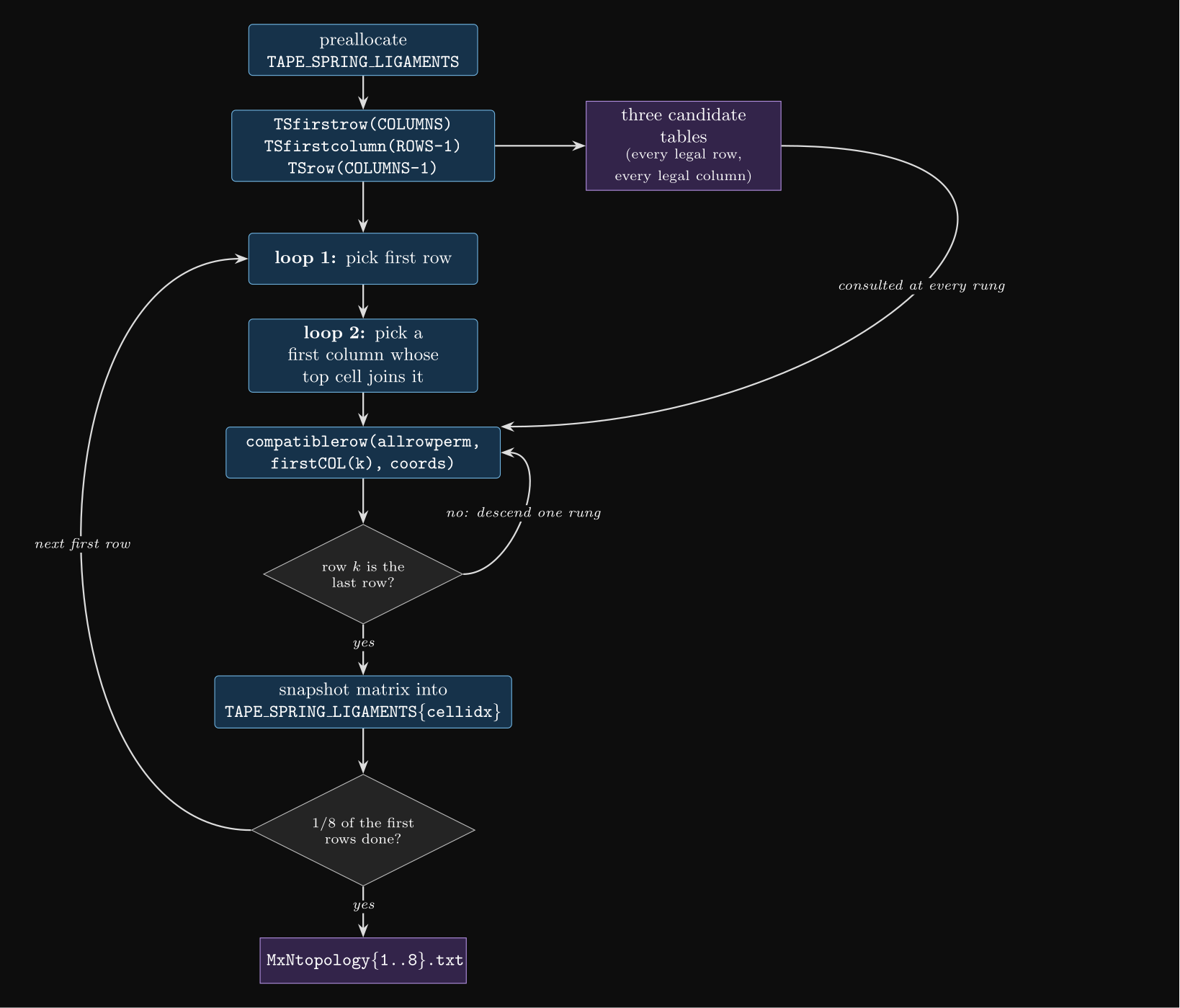
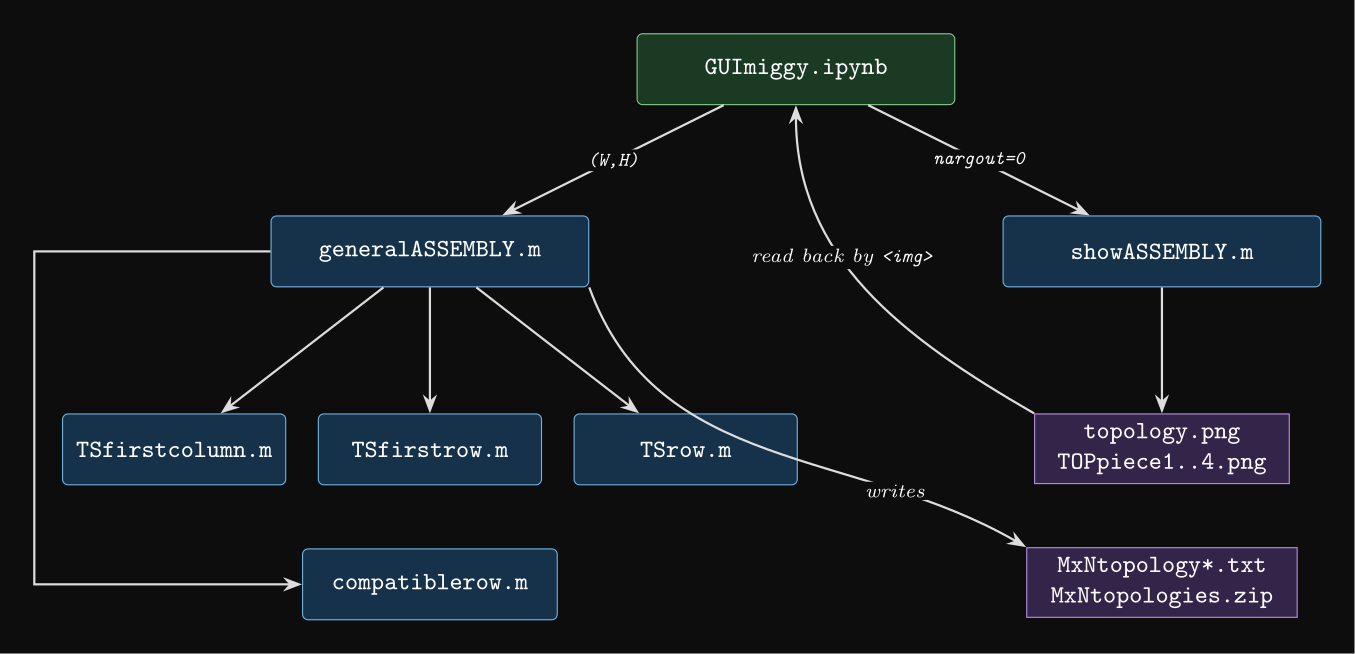
Click any diagram to enlarge it.
Poster
Manufacturing
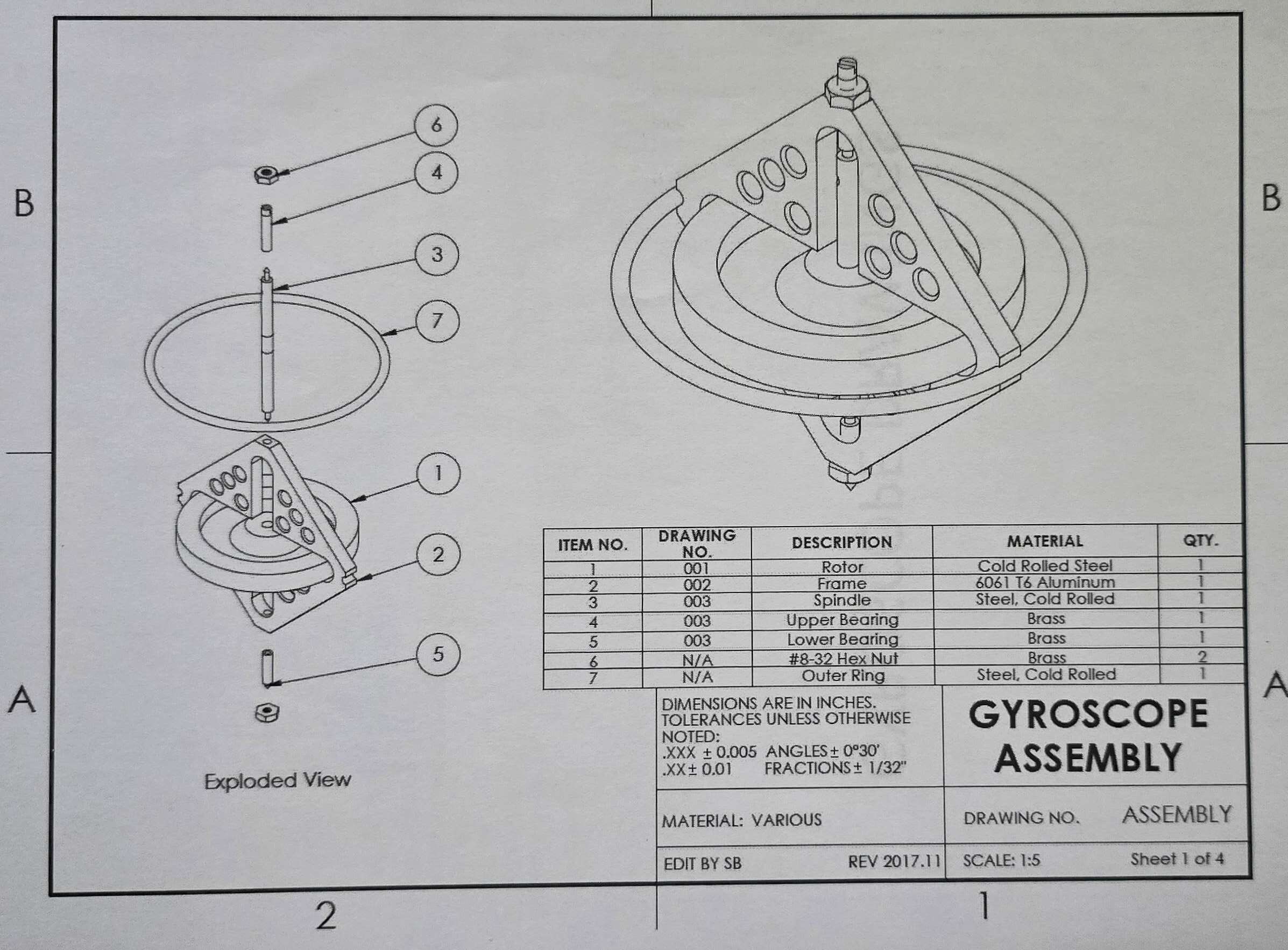
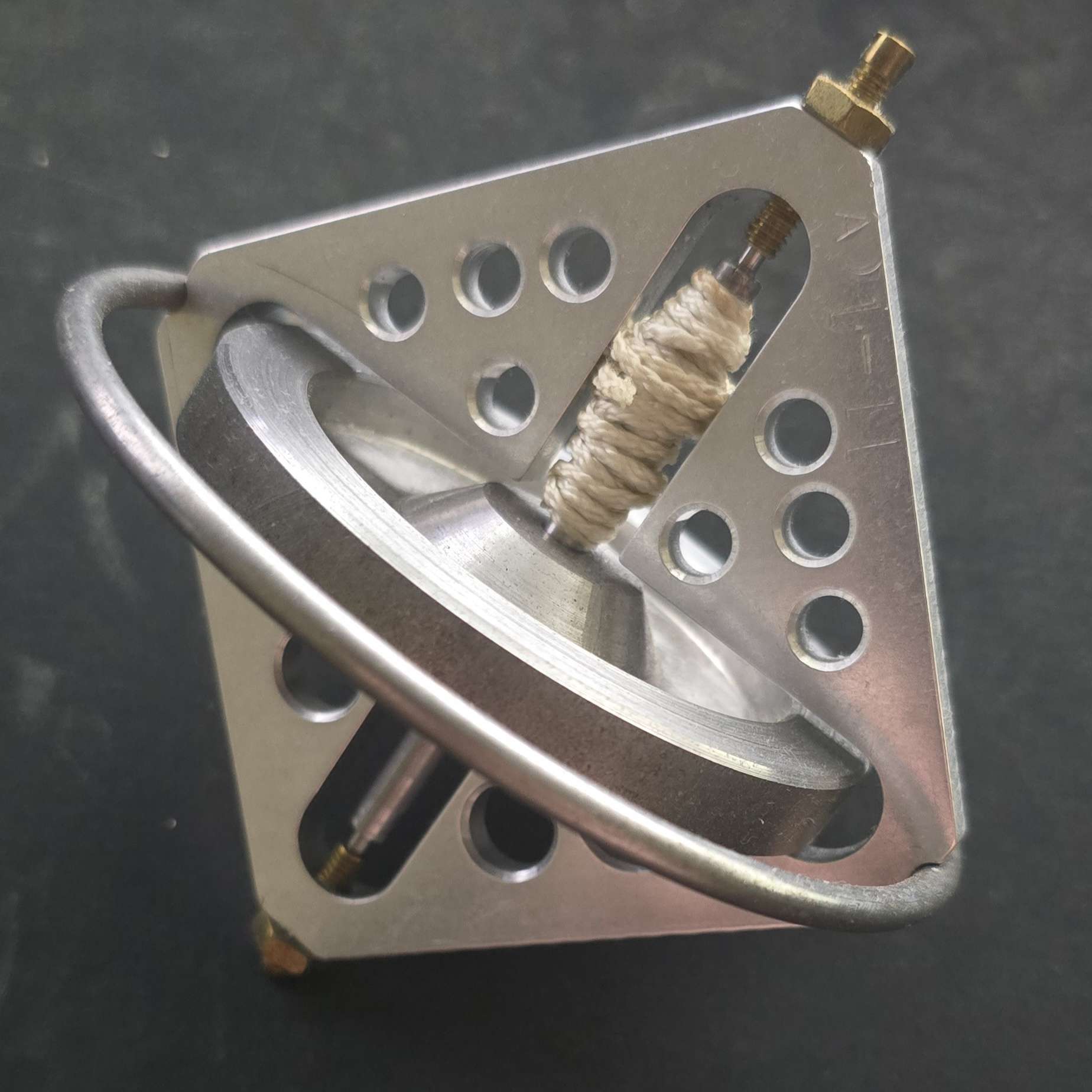
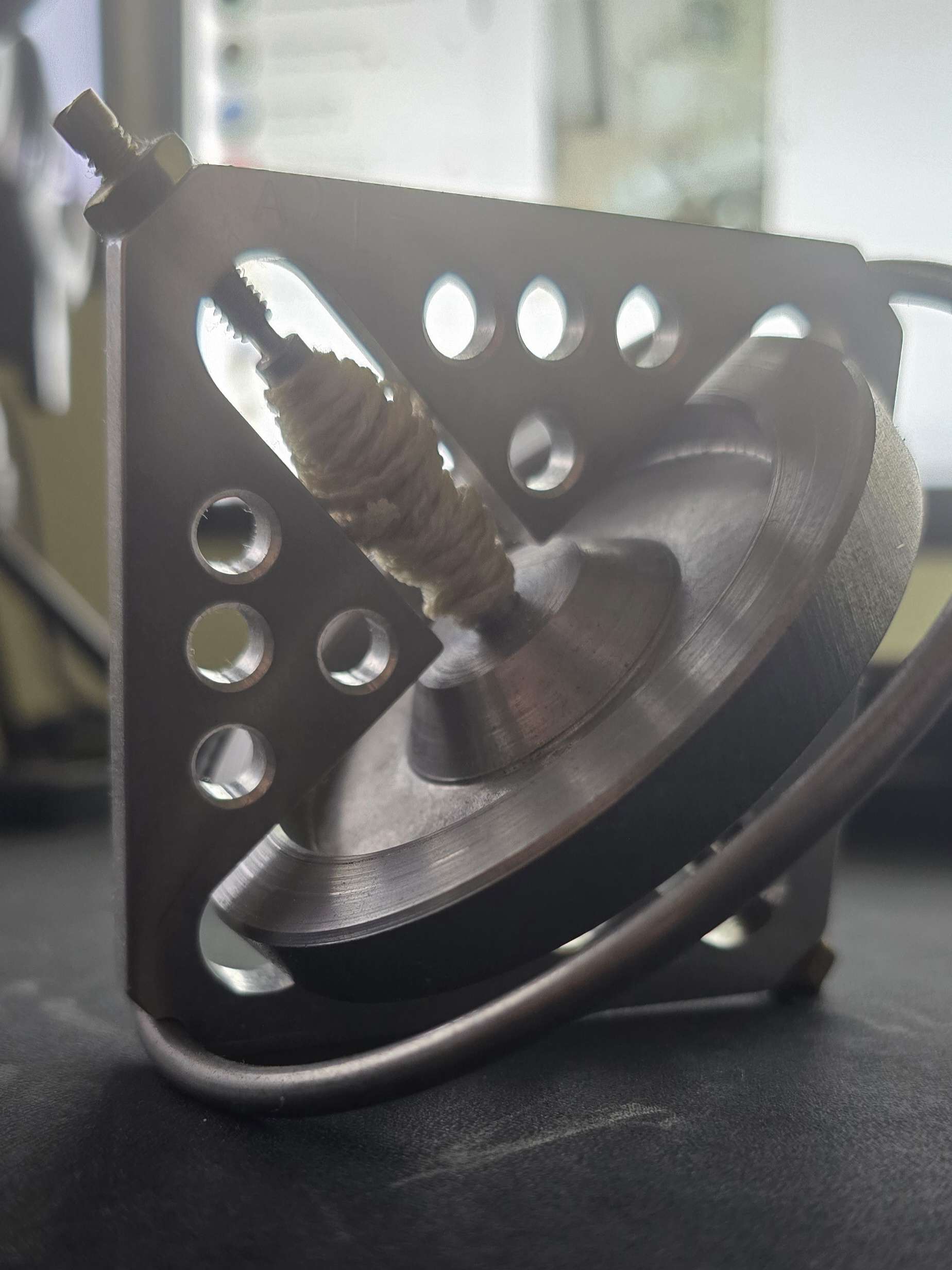
A collection of parts manufactured using a combination of manual and CNC machining. Each one started as a drawing and a stock blank, and the work was as much about reading the print and planning the operation order as it was about running the machines.
Gyroscope
Totem
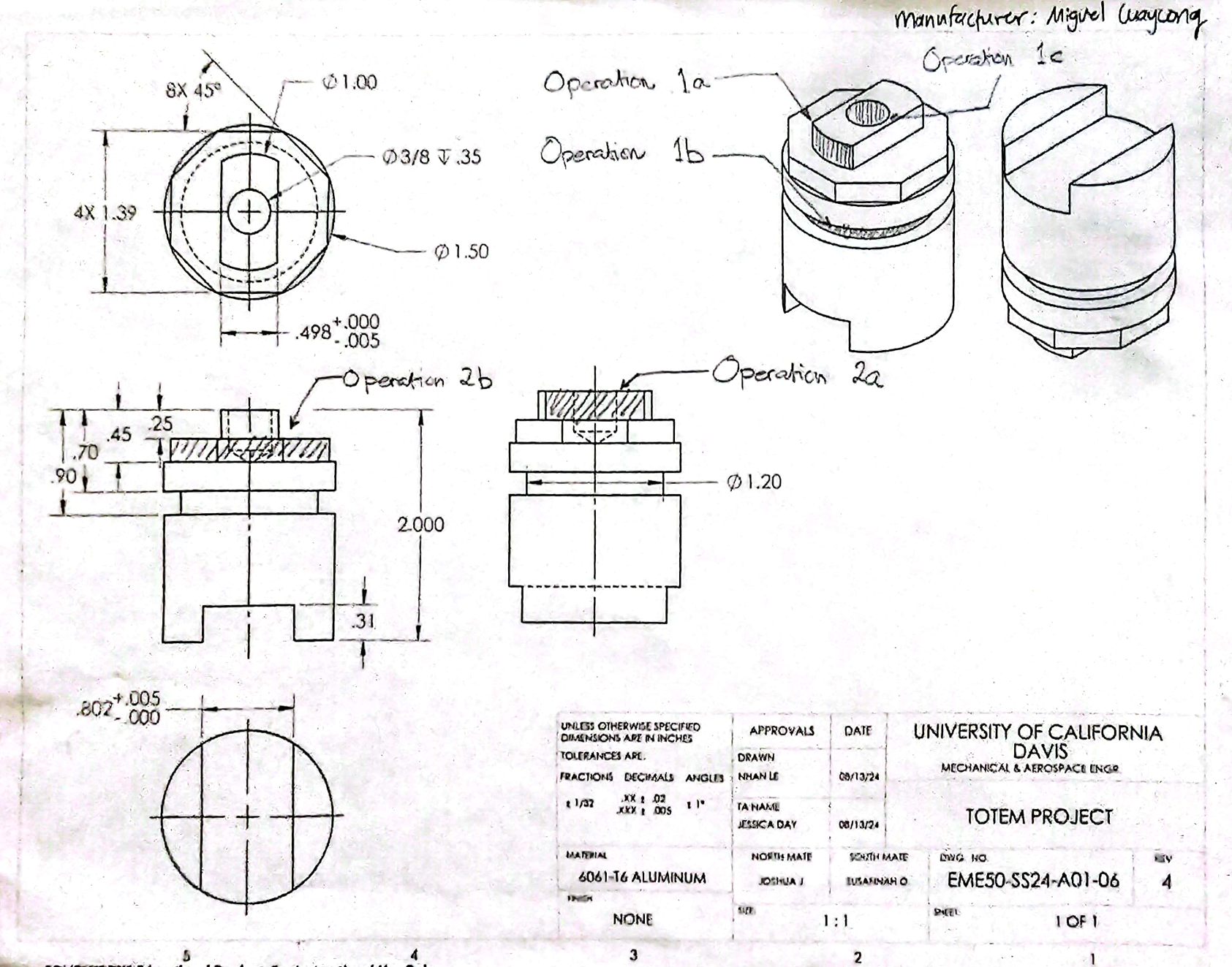
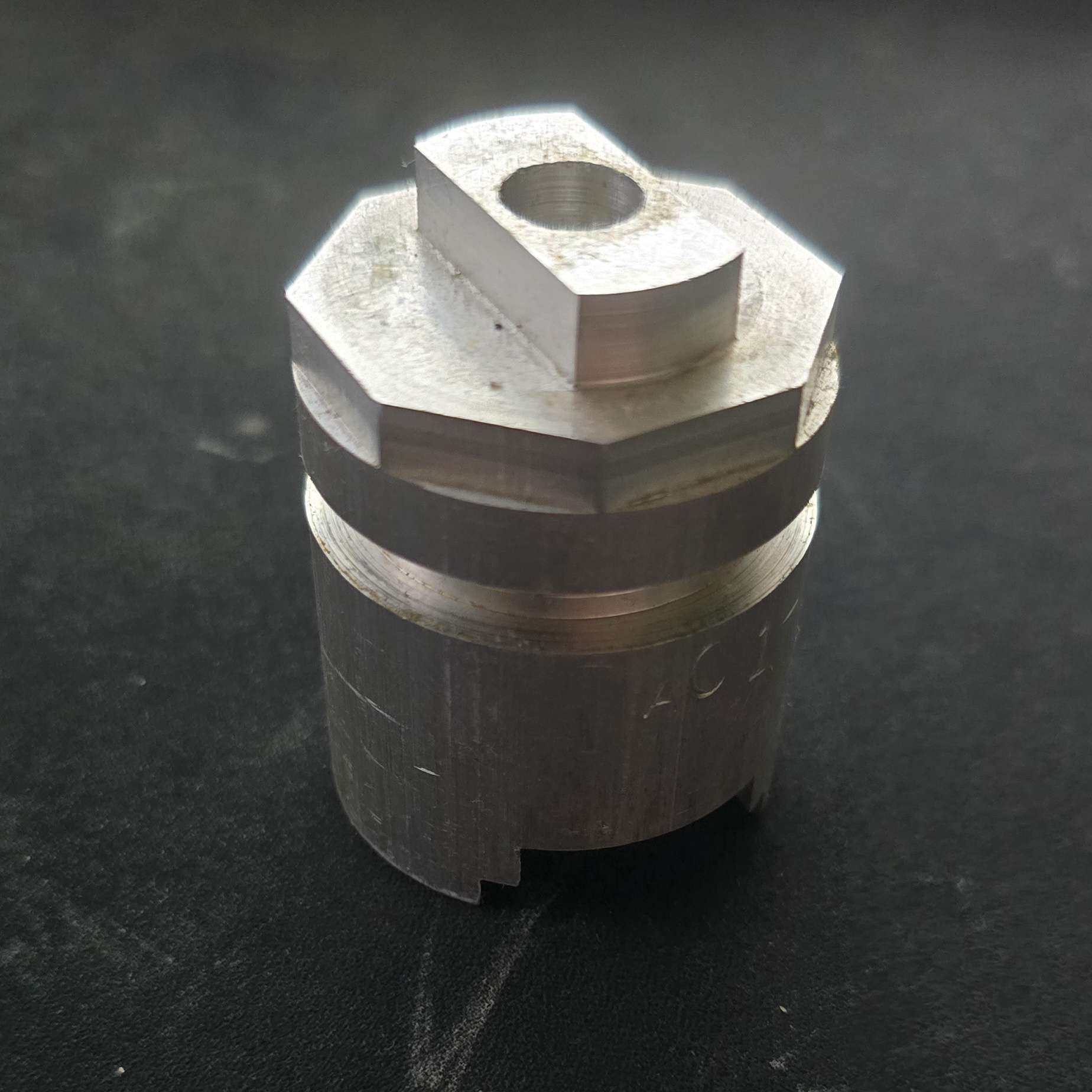
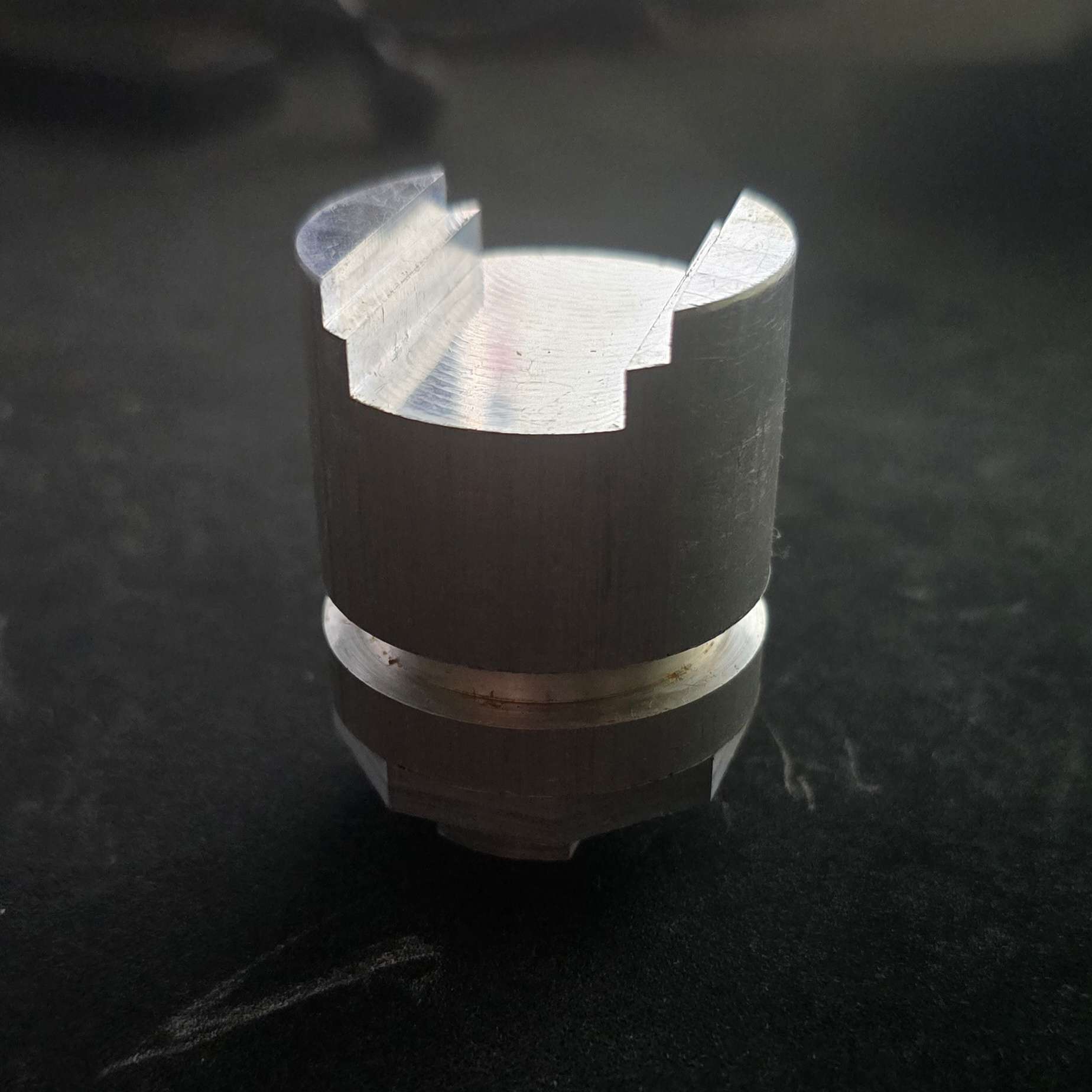
View the full totem drawing (PDF)
Engineering & Robotics Club
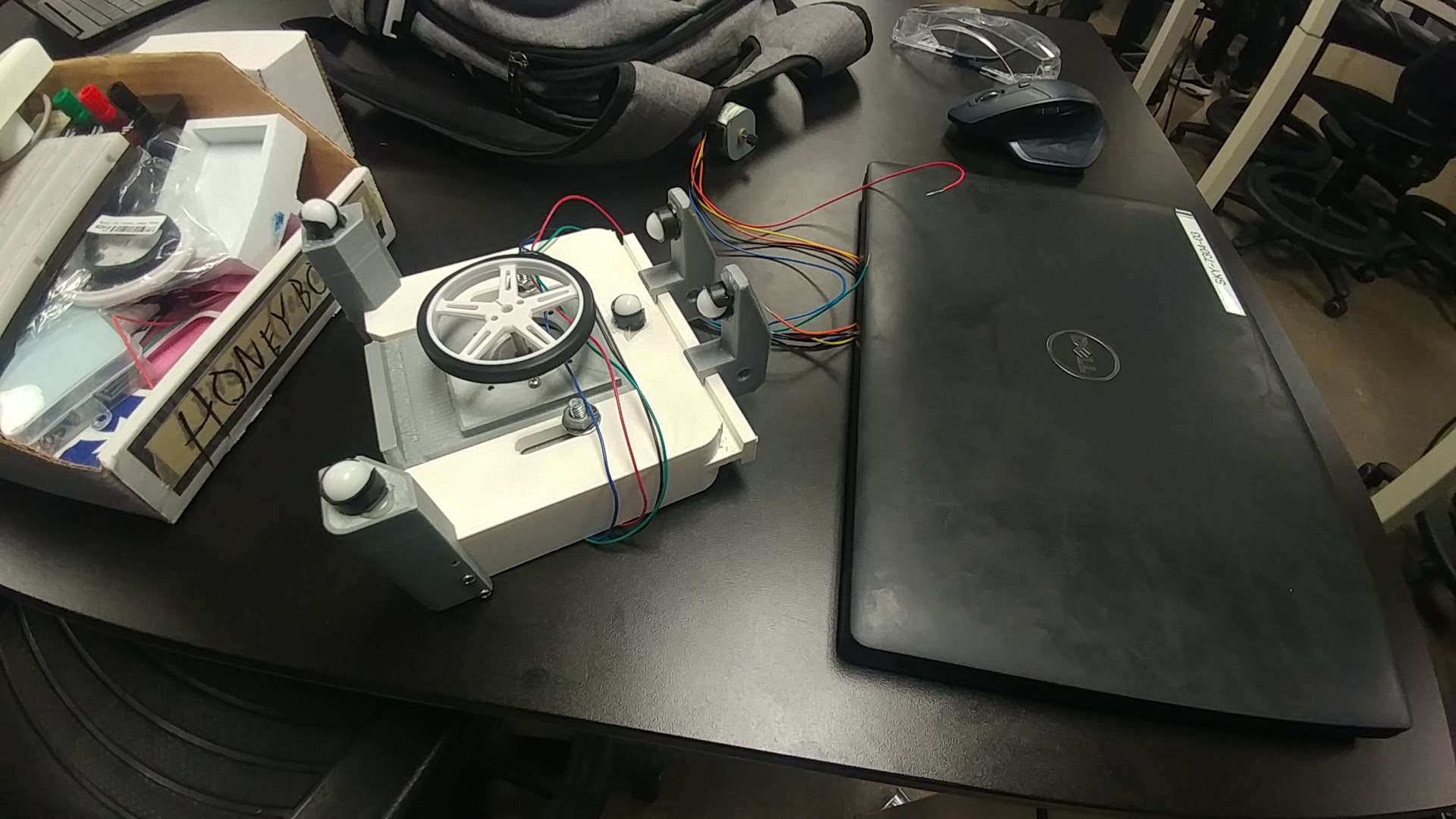
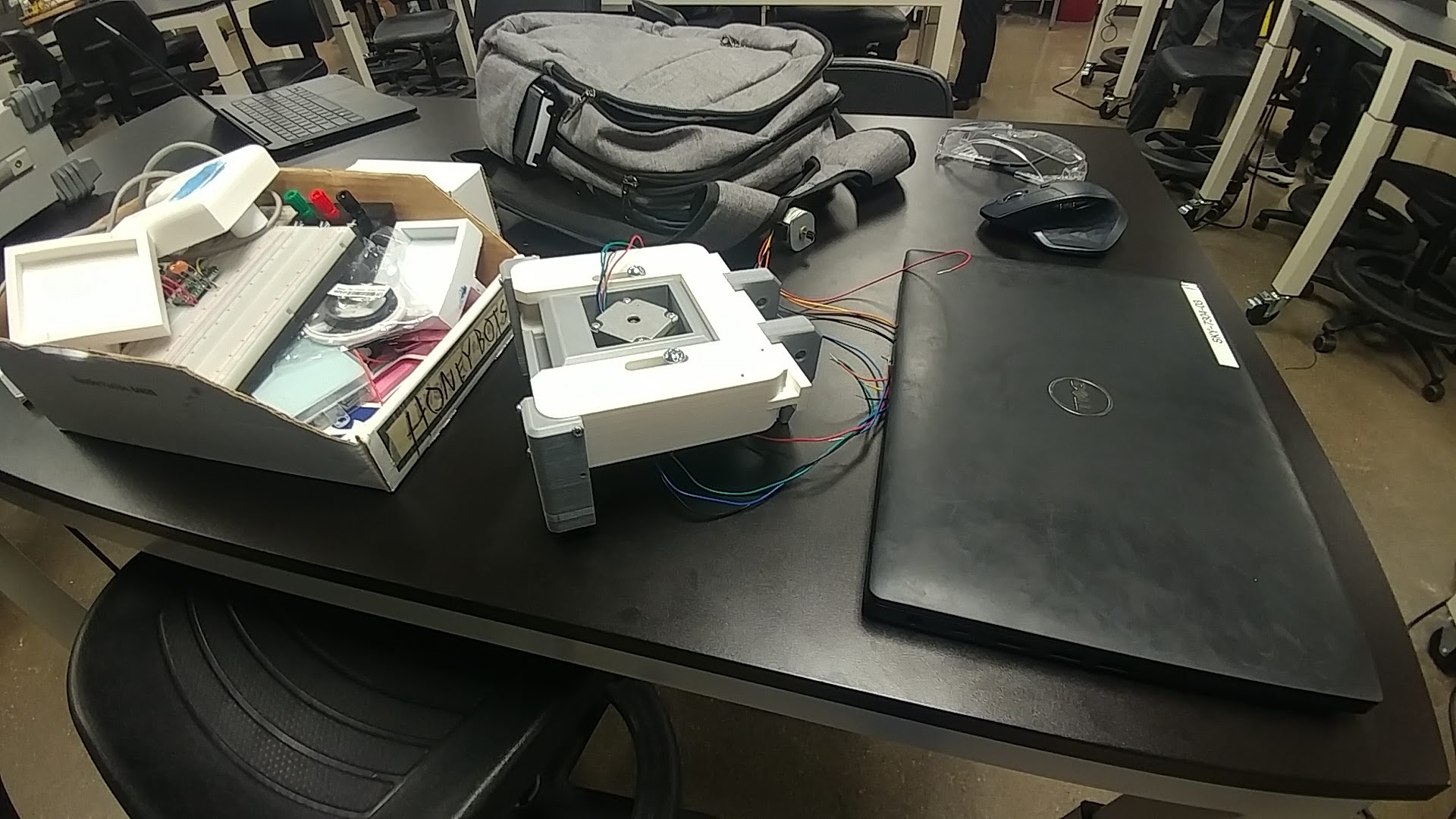
Tita Neng's Food Manufacturing, Philippines
Tita Neng's is a start-up company whose mission is to produce the best quality peanuts. It is intended to be a modest outlet for us to learn how to run a company and develop leadership skills. It also functions as a test bed for implementing general manufacturing concepts. Tita Neng's is co-founded by Leo Estrada and myself, whose backgrounds are in accounting and engineering respectively.
In place of an ERP (Enterprise Resource Planning), the company relies on independent software written in-house that handles payroll, logistics, and production.
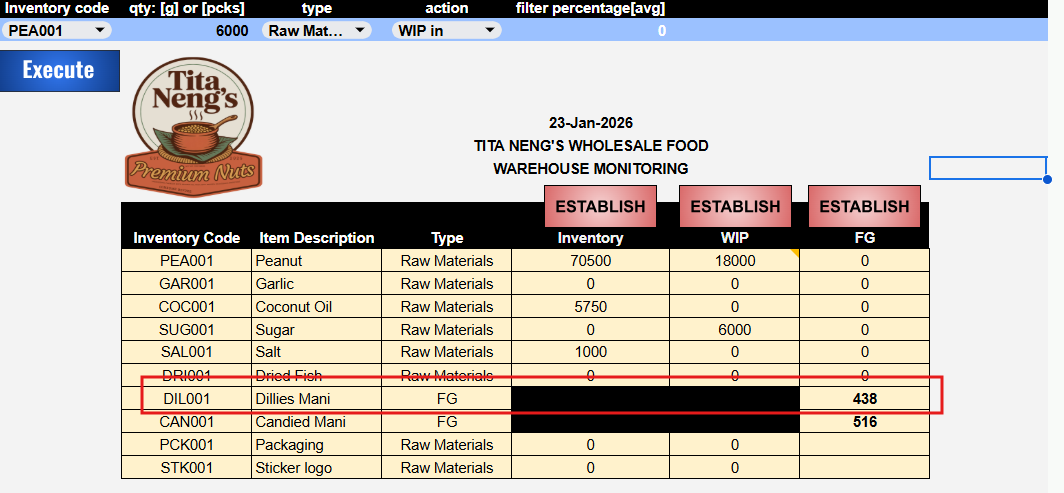
The photo above is one such software written in JavaScript named the "Inventory system". It can calculate an x amount of finished goods produced by x amount of raw materials. It takes into account projected waste and has a built in "material conservation" functionality which makes cost calculations easier.
To maintain consistency, the company only produces two products, roasted peanut and the candied variety seen in this photo.
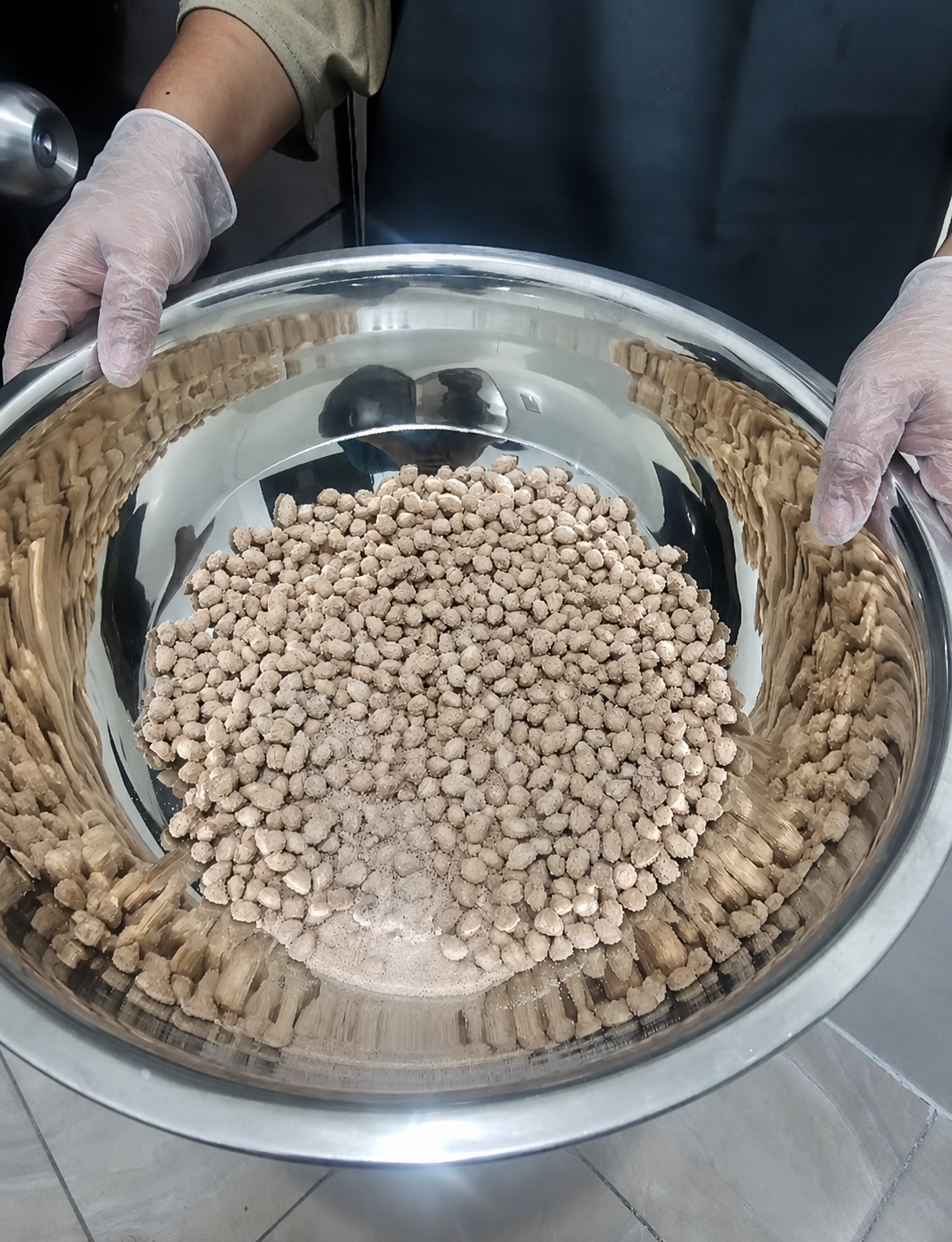
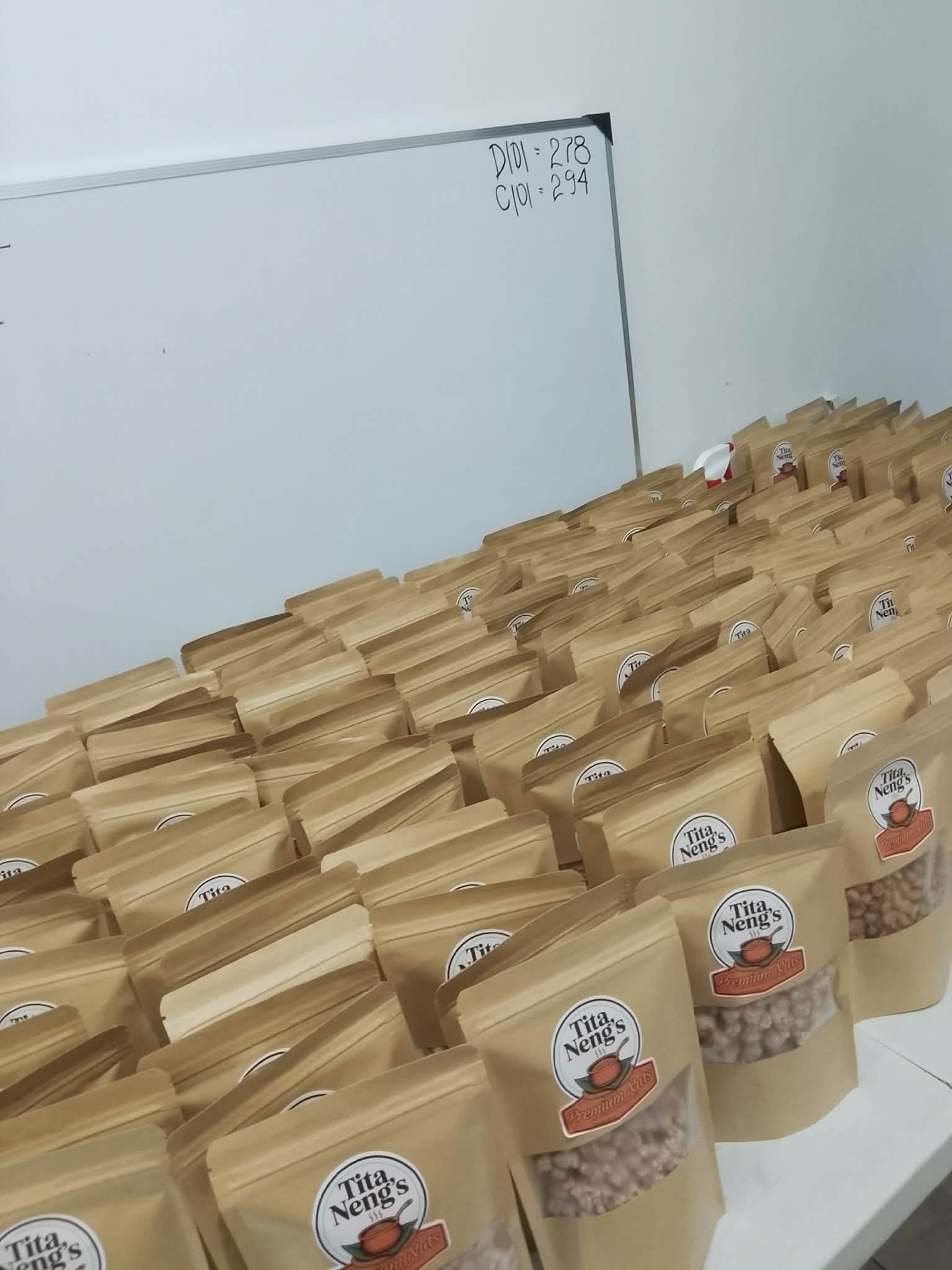
In full swing, the company can produce a minimum of 6 kg of finished goods a day.
The raw peanuts go through a labor-intensive filtering process to get rid of "bad" peanuts and ensure consistent size and quality.
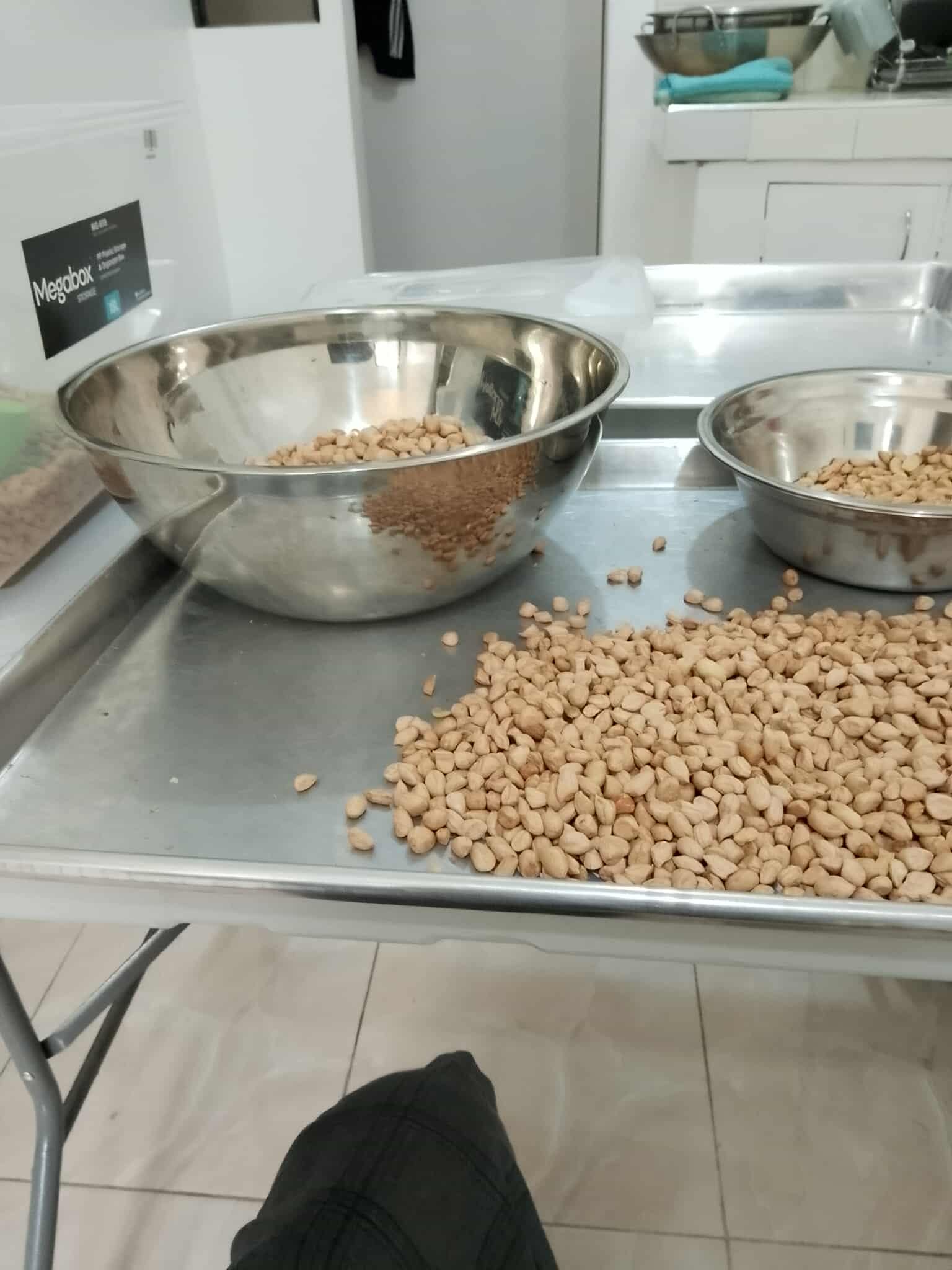
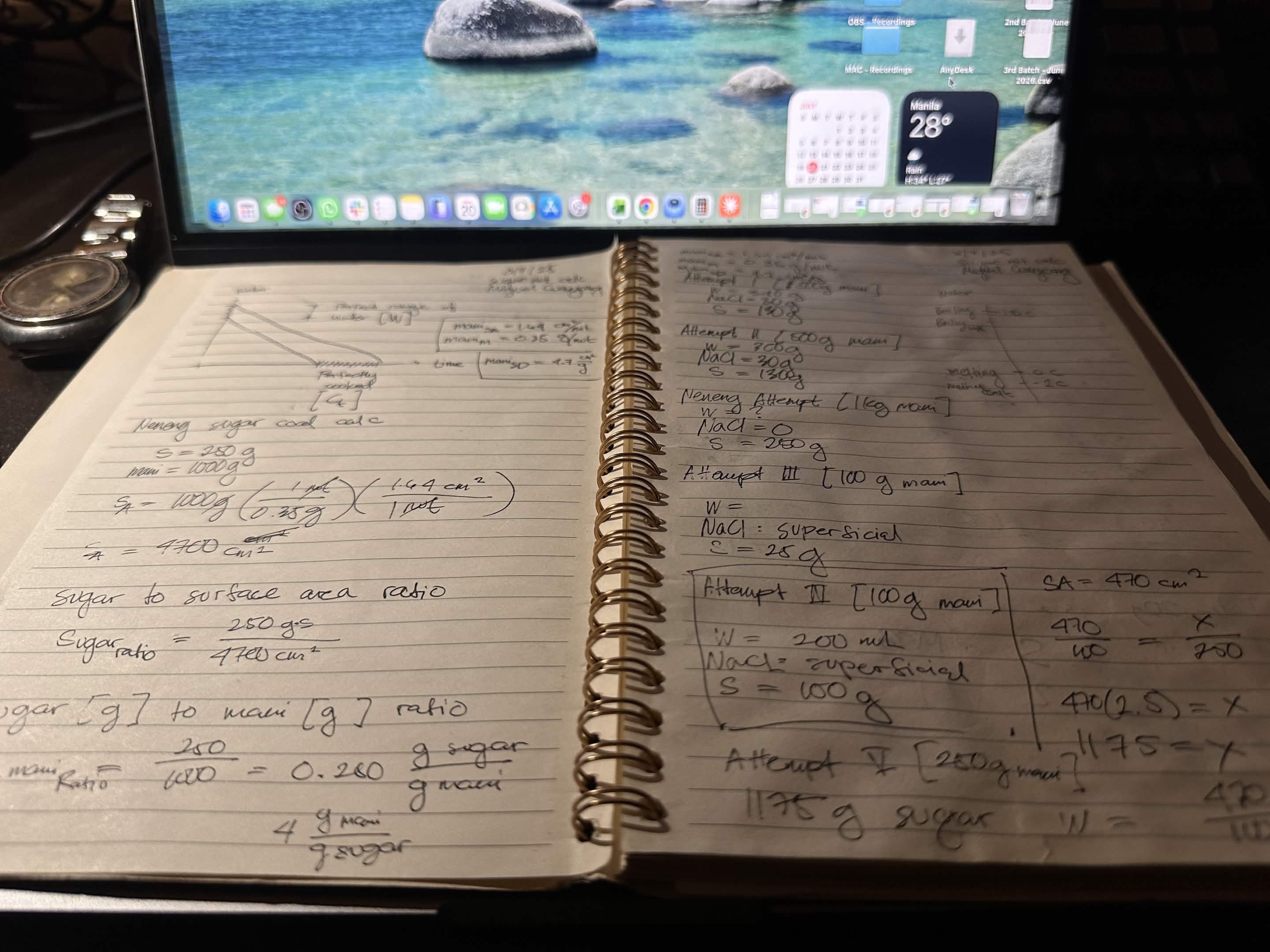
Currently, the company is preparing for a big push around late 2026 to early 2027. This is a soft reset which will launch the company with a stronger infrastructure consolidating everything we learned so far.
CAD
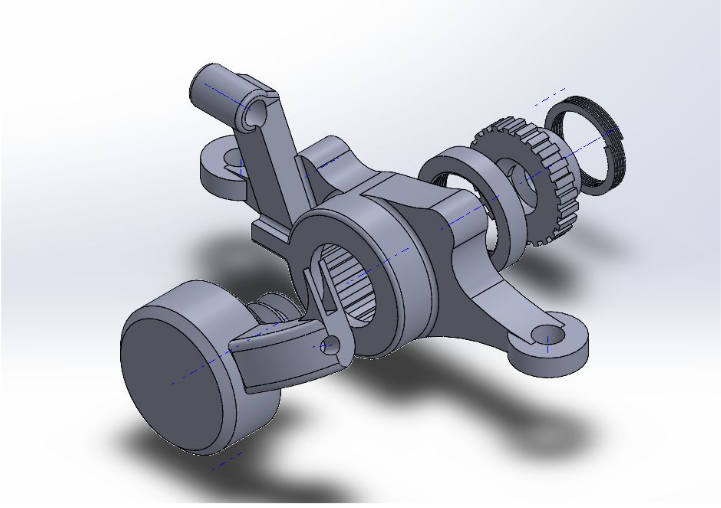
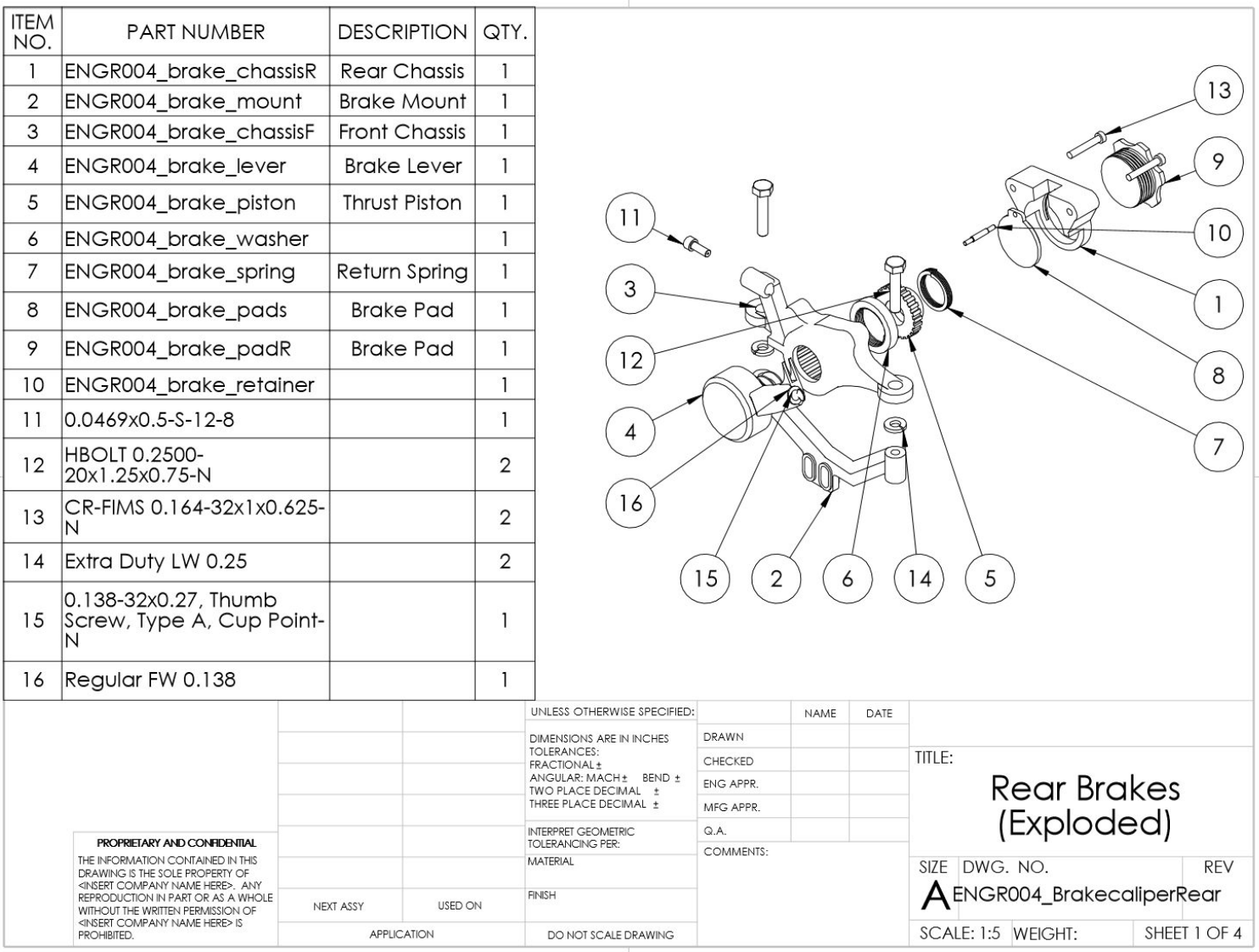
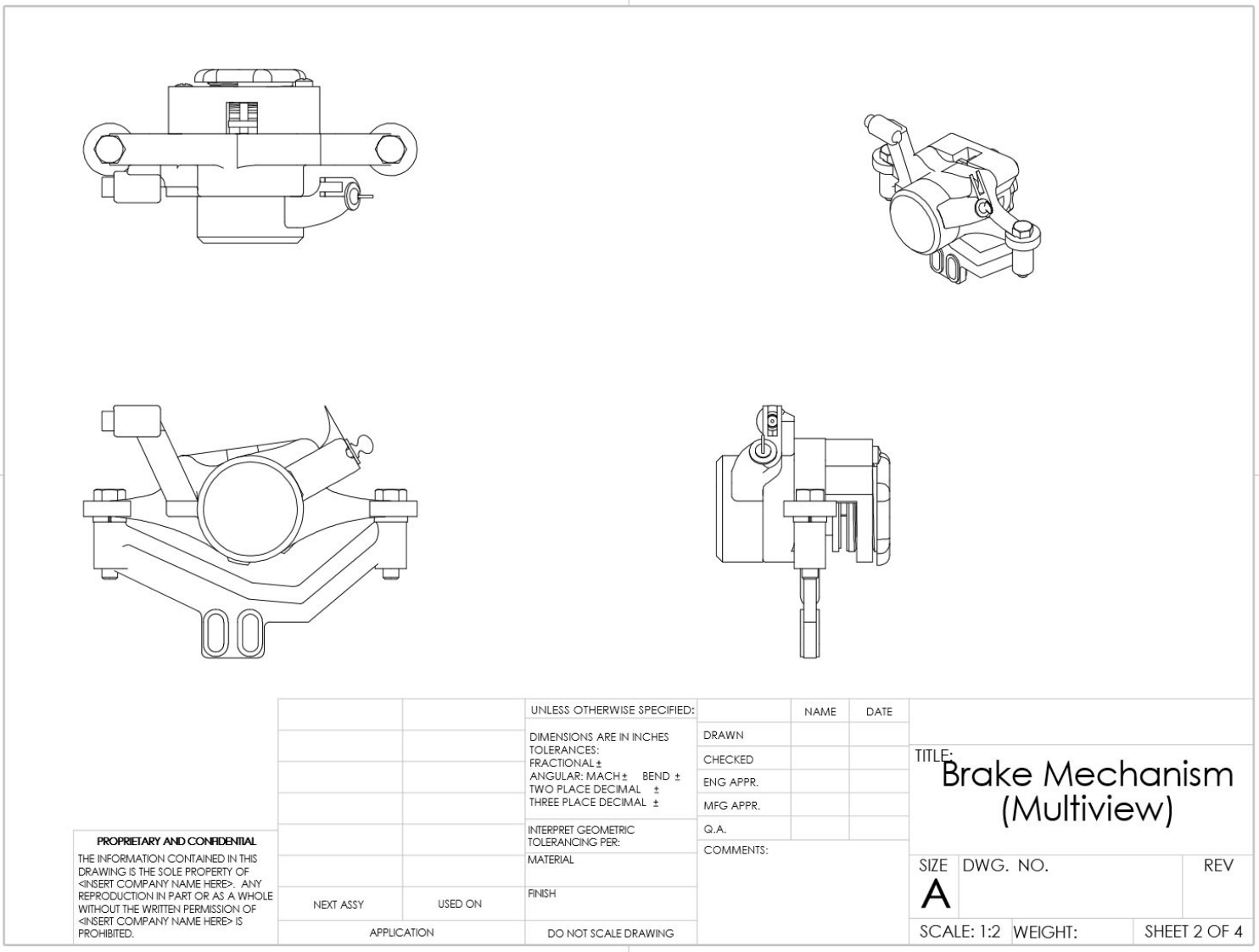
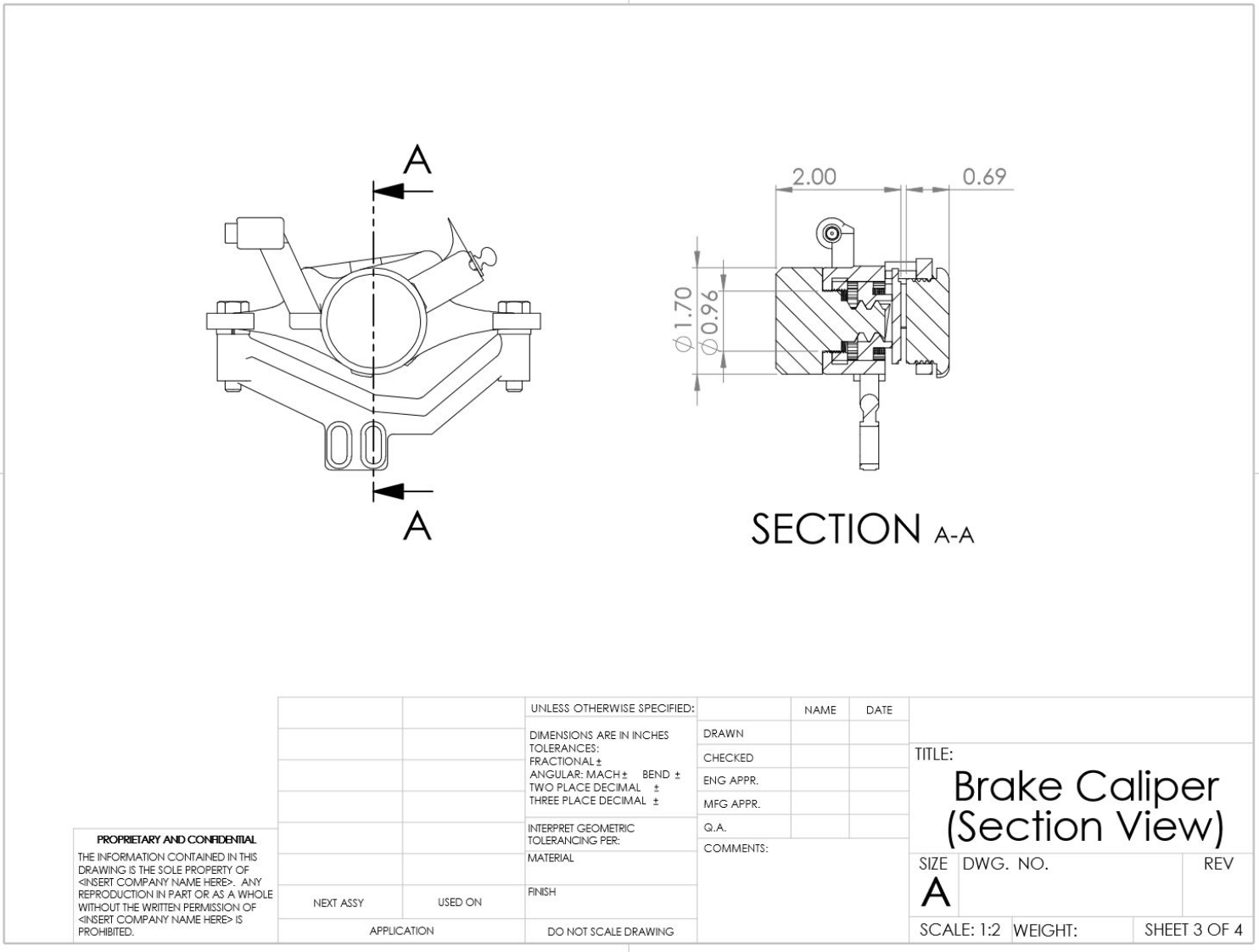
Collection of CAD designs
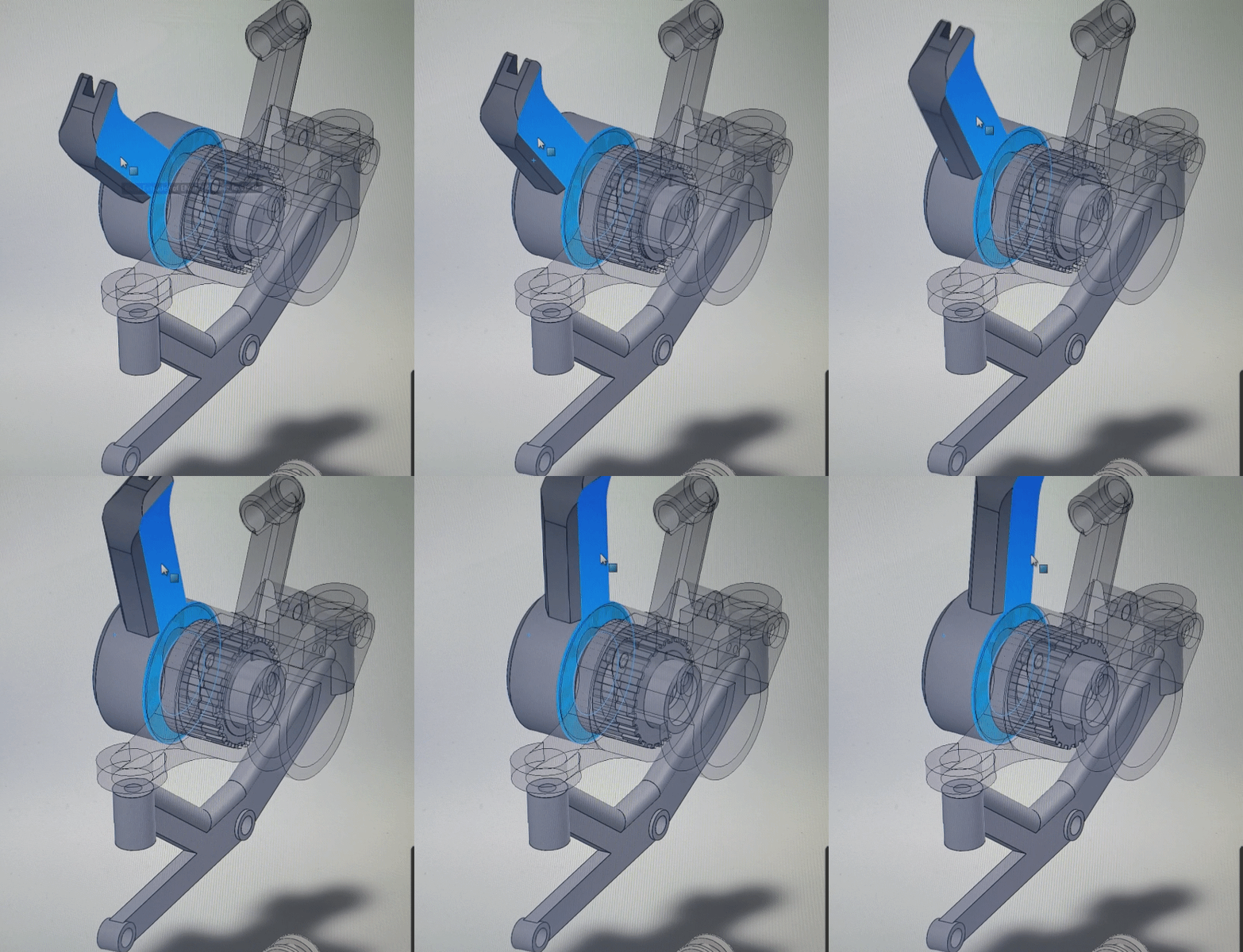
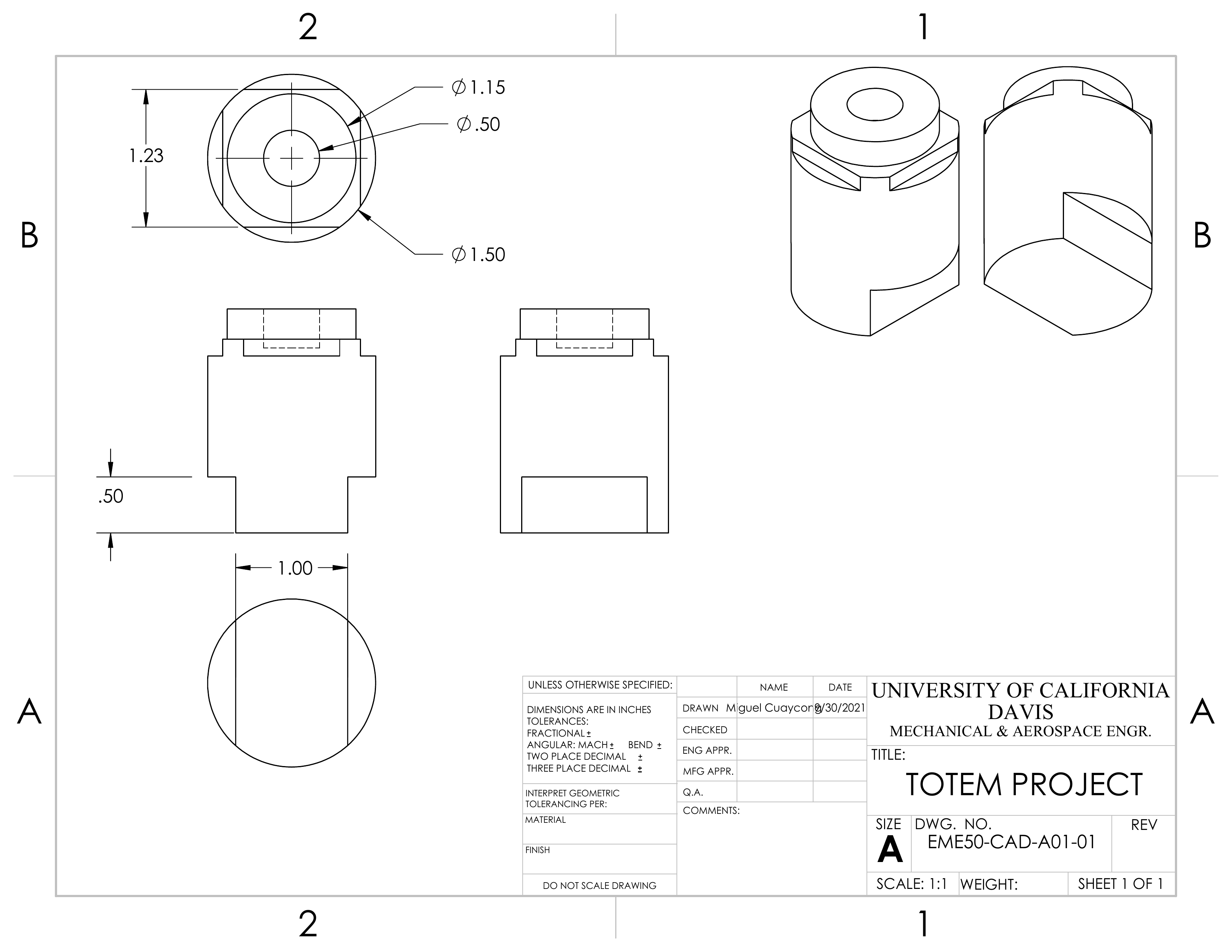
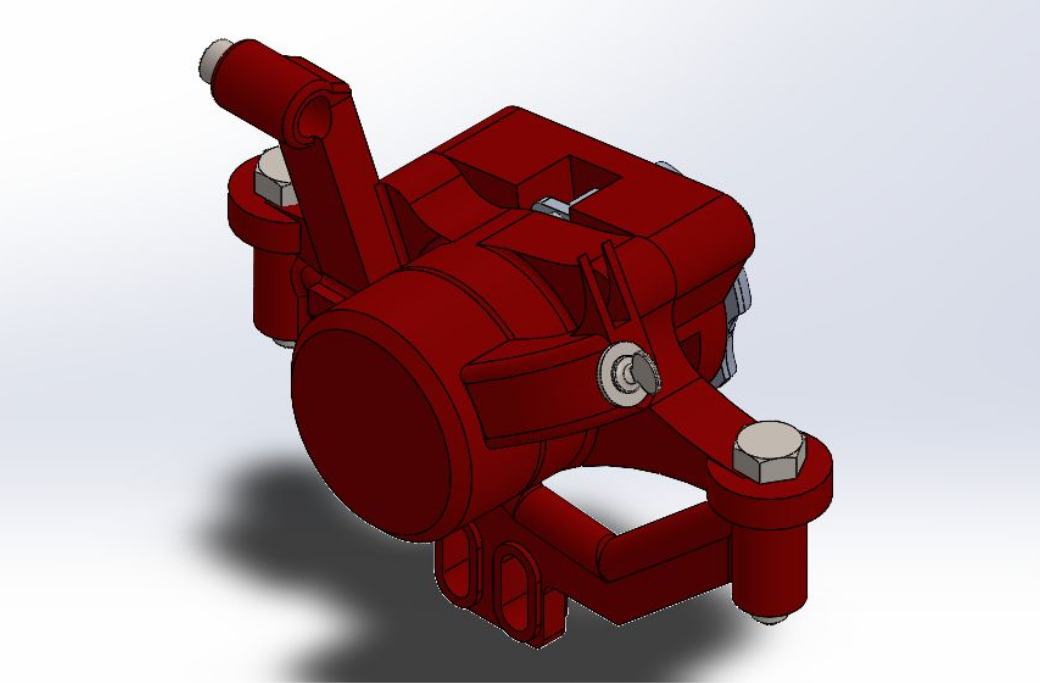
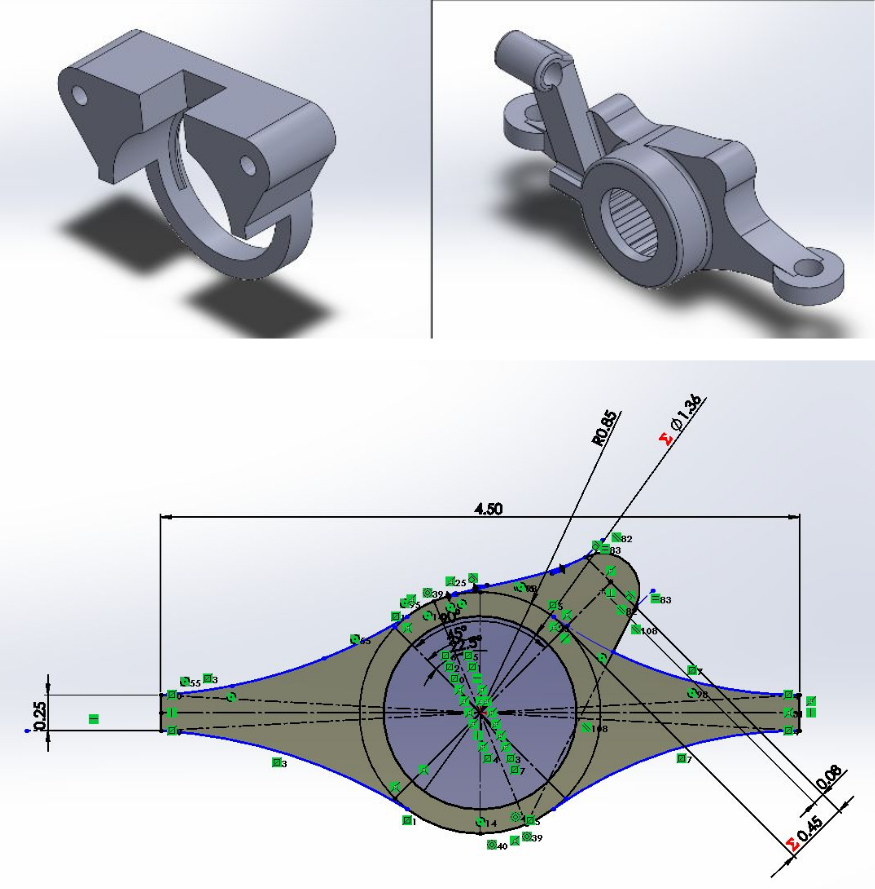
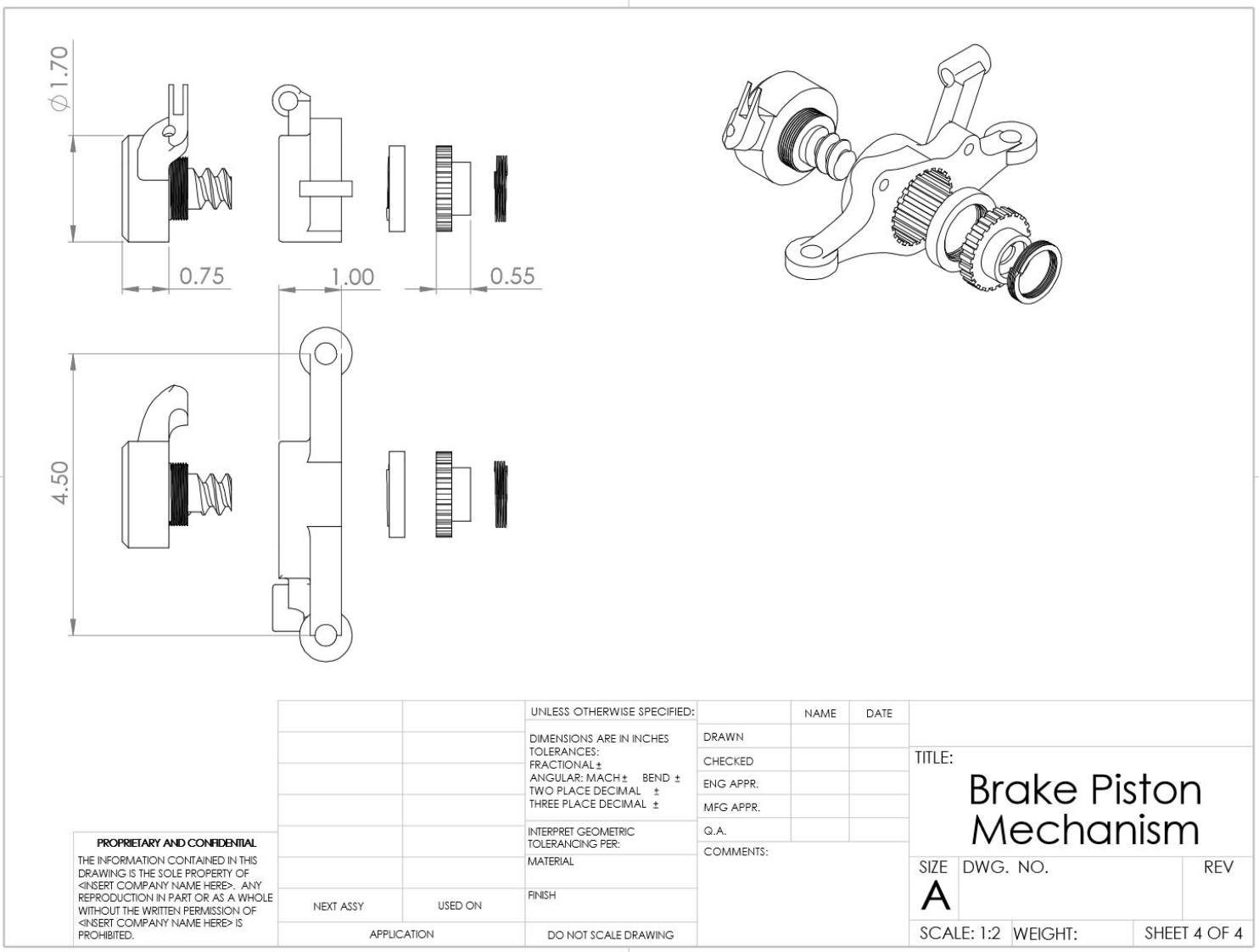
Halverail(WIP)
WIP